WePresent: New Rules 2024
An 80-slide editorial photography issue by WePresent set in heavy black grotesk, with flat yellow chapter openers, black-and-white interview spreads and oversized pull quotes.
Summary
WePresent's New Rules (2024) is an 80-slide editorial issue for photographers, editors and cultural producers, guest edited by Gem Fletcher, arguing that photography is in an unfixed moment. It runs in four chapters (Taking risks, Radical storytelling, Building community and Creative autonomy), each opened by the same flat-color device. Its dominant system is oversized heavy black grotesk set against small text columns, a yellow and black palette and documentary photography.
Visual description
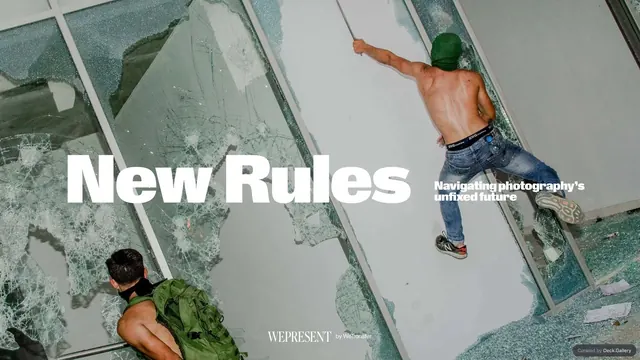
The cover is a full-bleed documentary photograph of two figures among shattered glass, with an oversized white grotesk "New Rules" running across the frame, a short subhead to its right and a small WePresent by WeTransfer lockup along the bottom edge. Essay and interview spreads sit on white or black grounds, with a headline stacked as a huge black block down the left (the opener sets "The new rule is there are no rules." across most of the page height) and small justified body columns to its right. Interview pages use bold, initial-labelled Q and A text in narrow columns, with small inset photographs and tiny captions. Chapter openers are flat yellow fields with a very large black title, a chapter label in the bottom left corner and three outlined bio boxes of small text pinned to the edges, one of them stepped diagonally. Pull quotes are the main typographic event: set in heavy black or white at near-display size, either centered on a plain field (pale yellow, black or white) or placed in the upper corner over a full-bleed photograph. Photography is raw and documentary, mixing sepia, grayscale and saturated color, often full-bleed or as a full-height half-page panel. A small white running label with the issue name sits in the lower right of most slides, and a tiny running head with the chapter name sits top right. The contributors page is black, with a huge white "Contributors" headline between two rows of uneven, casual portrait snapshots. Collage spreads, such as a black page of magazine covers and printed text under a yellow "PLAY!" headline, break the grid to open a chapter.
Key takeaway
Flat color does the chapter work: one saturated yellow field, one huge black title and boxed bios signal a new section without any imagery. Scale contrast is the engine, with a near-poster headline or quote set beside small, dense text columns so each page has one loud entry point. The outlined bio boxes and the small running label carry editorial metadata without competing with the headline.
Reuse notes
Strong fit for editorial reports, long-form talks and interview or profile decks where the copy is the main content and the photography needs a documentary tone. The yellow and black pairing reads as bold and works as a neutral accent system, since the same grid holds with a different accent color. It needs real, long copy to keep its density, and the many small text blocks will be hard to read at phone size. The photography is charged (protest, conflict and personal imagery), so reuse the layout and type system rather than the images.
More like this
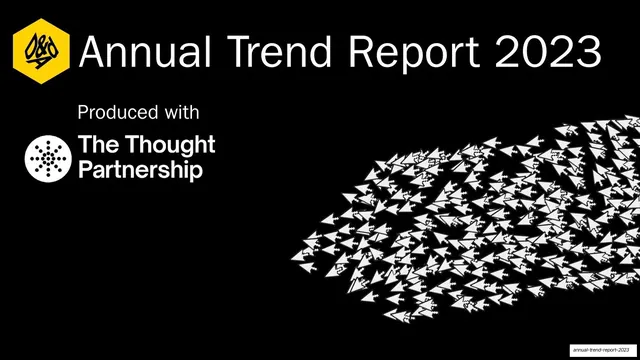 D&AD Annual Trend Report 2023
 Something Else Capabilities Deck 2021
 D&AD Trend Report 2024
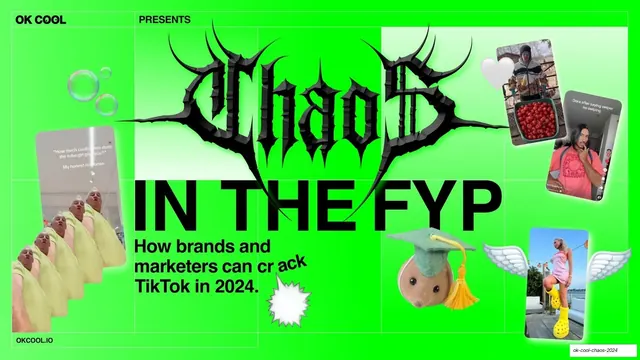 OK COOL TikTok Trend Report 2024
 The State of Social: Rewild the Web
 Rapha Impact Report 2025
 Highsnobiety Research Report 2020
 Debrecen 2023 poster series angled flat-lay
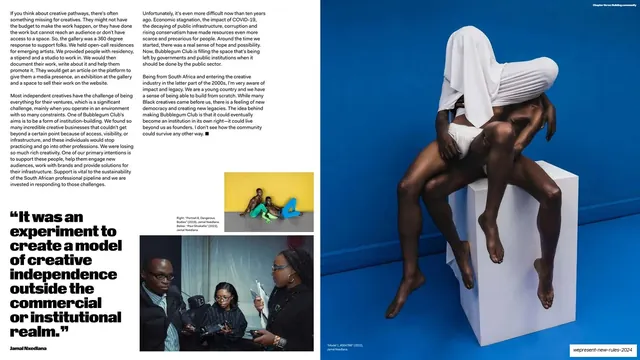 Creative independence quote over blue photograph
 YourStudio: Generation Alpha
 Zapier Brand Guide 2022
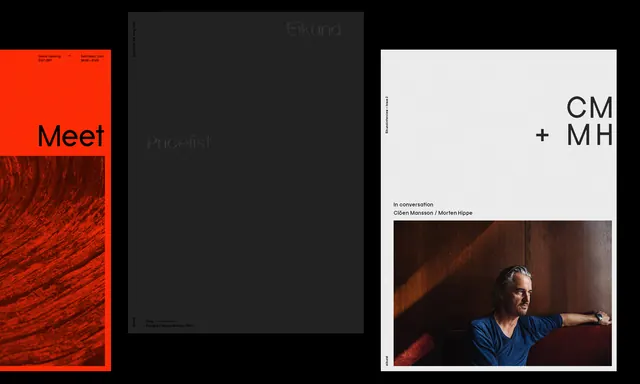 Graphic Design Portfolio/Identity Samples
 Superside No-Hype AI Report
 M-RNING Trend Report 2024
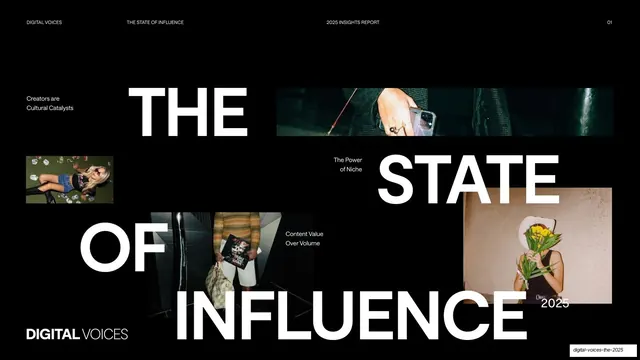 Digital Voices: The State of Influence 2025
 Arts Midwest Brand Guidelines 2025
 Just because we can doesn't mean we should
 Overcommitted Report 2024
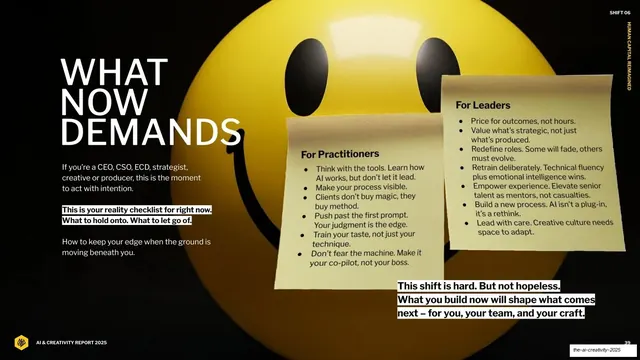 Reality checklist for practitioners and leaders
 Land of Plenty Trend Report 2025
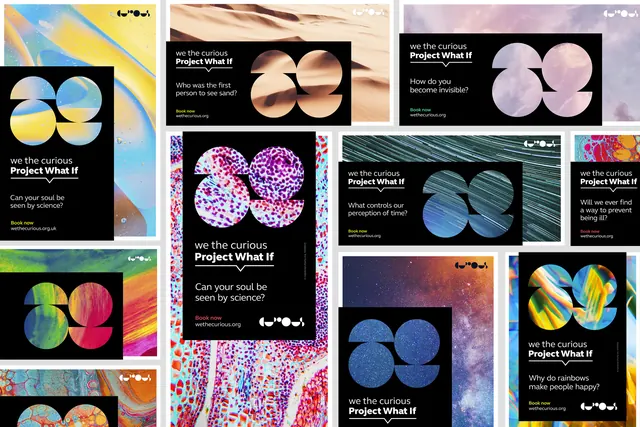 Project What If poster system across formats
 Design Portfolio Grid
 The Projects A 2020
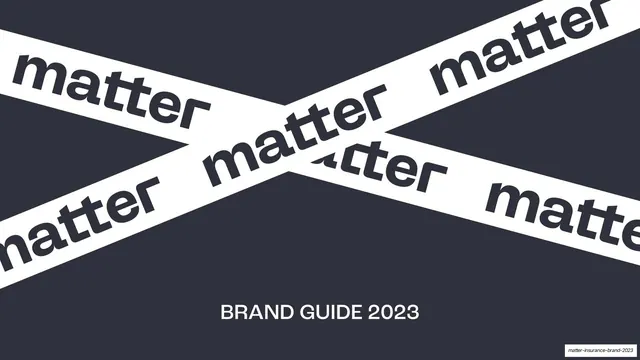 Matter Insurance Brand Guidelines 2023