Match the celeb to their comment quiz
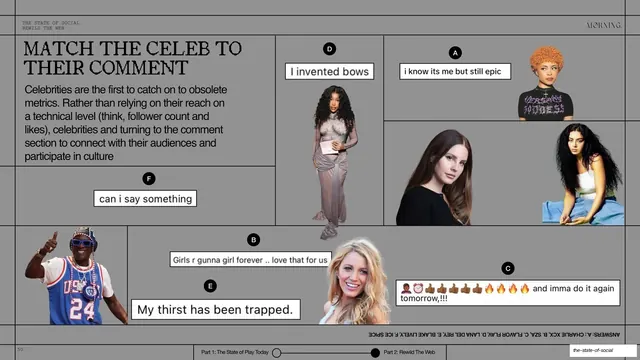
Grey quiz layout where lettered comment bubbles sit beside cut-out celebrity portraits, with a short intro on comments as a way to join culture.
Summary
A grey quiz layout where lettered comment bubbles sit beside cut-out celebrity portraits, with a short intro on comments as a way to join culture.
Visual description
A mid-grey ground with thin black grid rules. The headline "Match the Celeb to Their Comment" sits top left in a distorted display face, followed by a sans-serif paragraph. Six lettered black badges, A through F, mark white comment bubbles placed across the grid. Cut-out portraits sit in the cells, some overlapping the grid lines. A rotated answer key runs along the bottom edge in small caps.
Key takeaway
A quiz turns a point about cultural signal into something the reader plays with. Cut-out portraits with lettered labels make the mechanism obvious at a glance.
Reuse notes
Good for an interactive or engagement slide that asks the reader to match or guess. The cut-out style has a playful tone, so pair it with a playful brand. Keep the letter badges consistent if reused, and make the answer key easy to find.
More like this
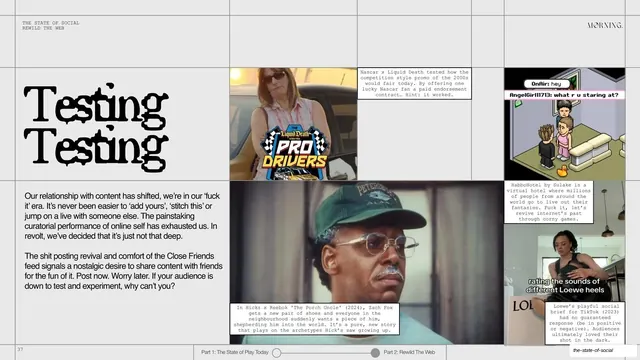 Testing headline with video-still mosaic
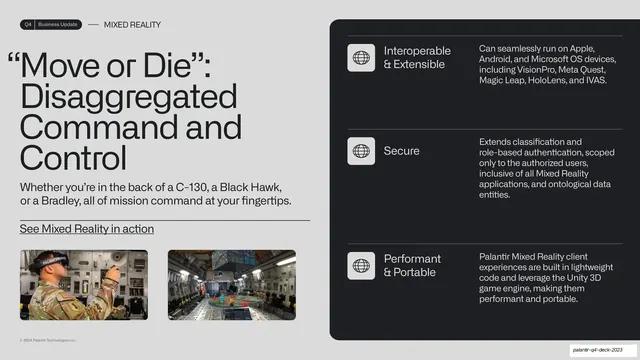 Mixed reality command and control features
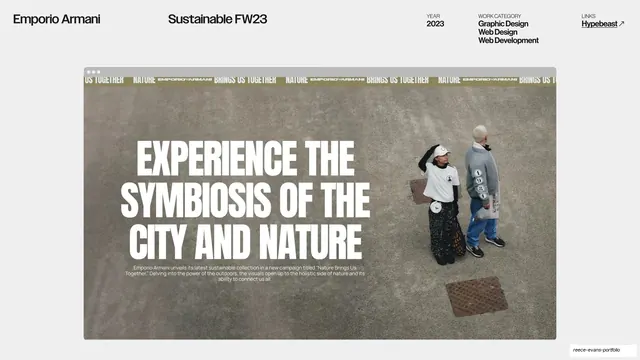 Campaign hero with condensed headline
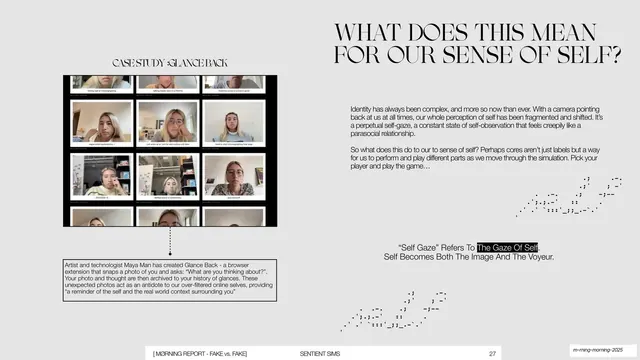 Glance Back case study with webcam grid
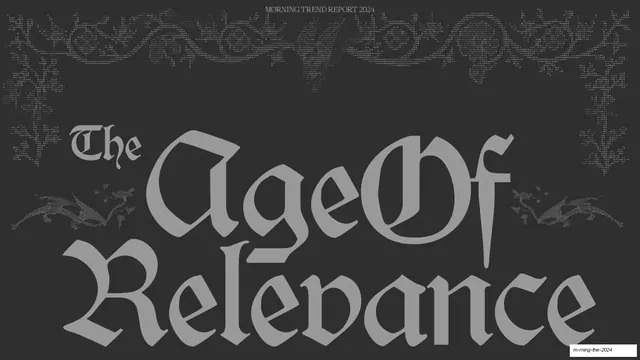 M-RNING Trend Report 2024
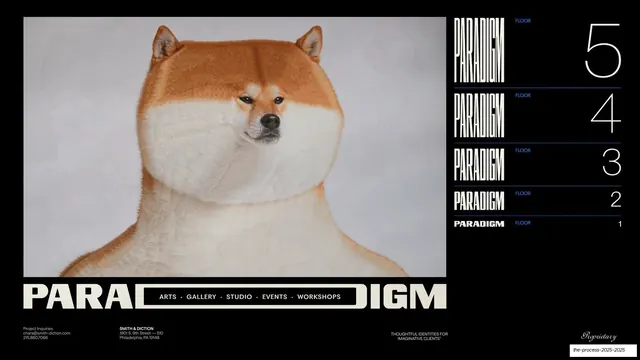 Paradigm floor signage and condensed wordmark system
 Growing up with AI section opener
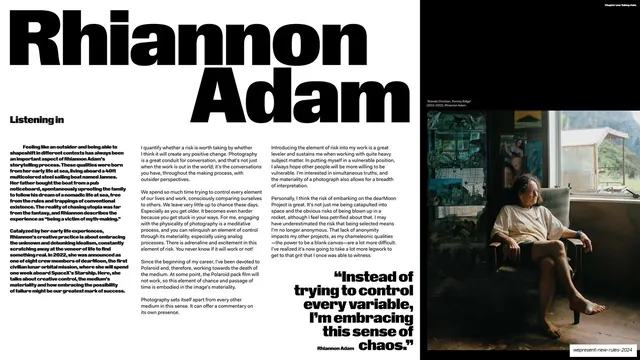 Profile opener with offset two-line name
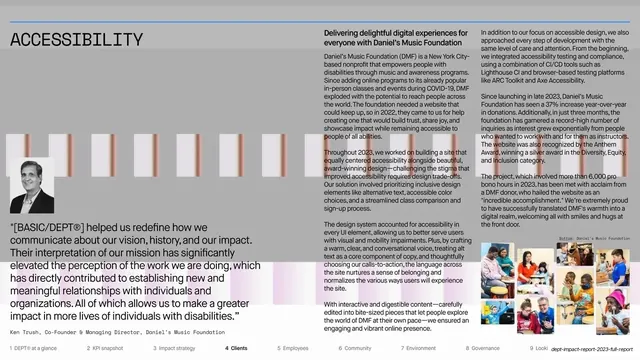 Accessibility client case study with photo grid
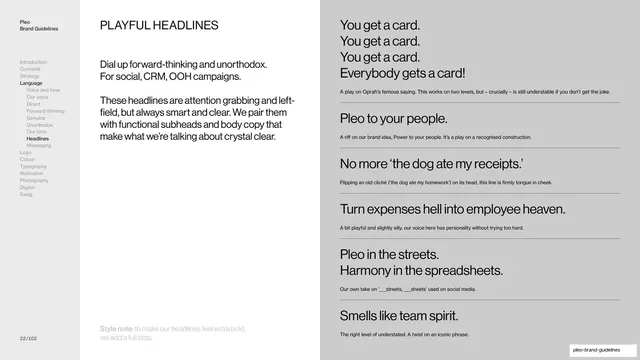 Playful headlines for social and OOH
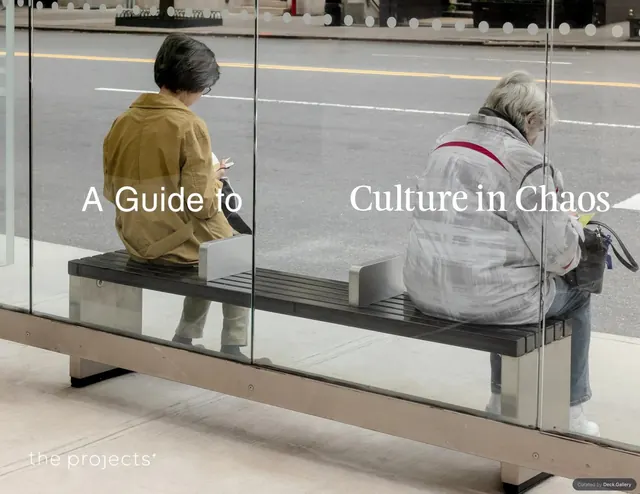 The Projects A 2020
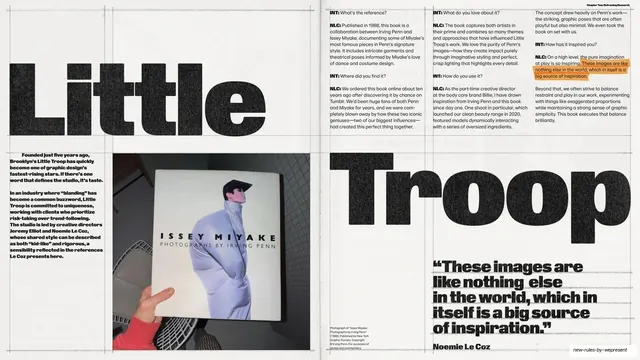 Little Troop split headline spread
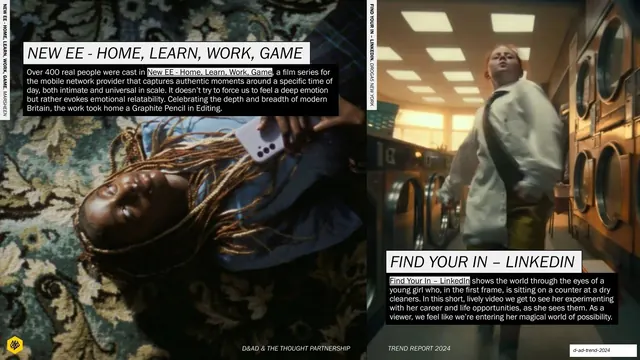 Split-screen film stills, two campaigns
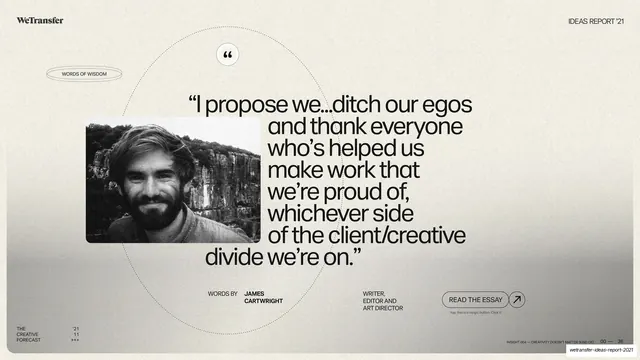 Pull quote with portrait and essay CTA
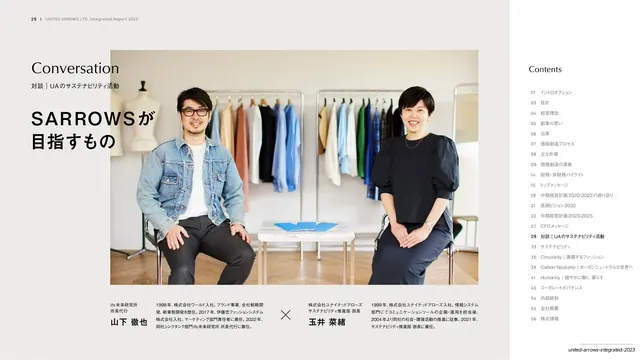 Conversation opener on SARROWS aims
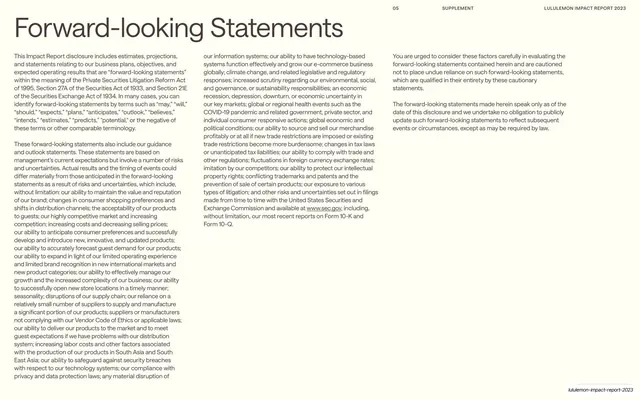 Forward-looking statements disclaimer
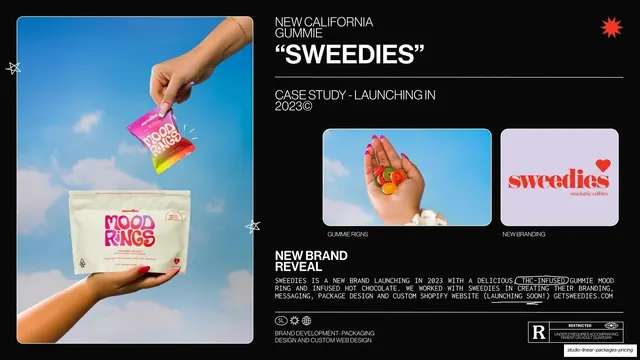 Gummy brand launch case study
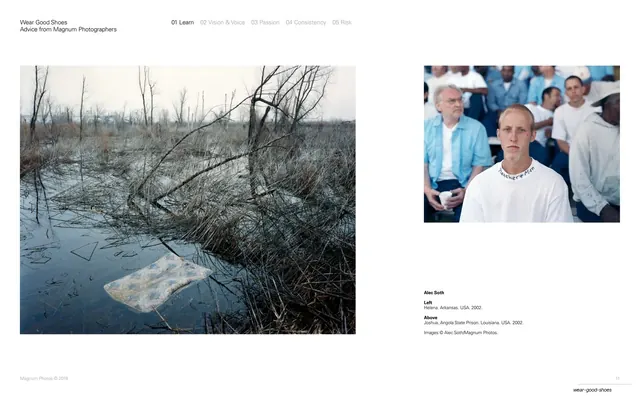 Two colour photographs with credit block
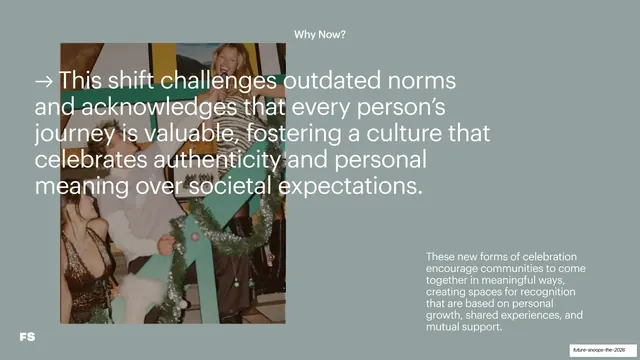 Challenging outdated norms in celebrations
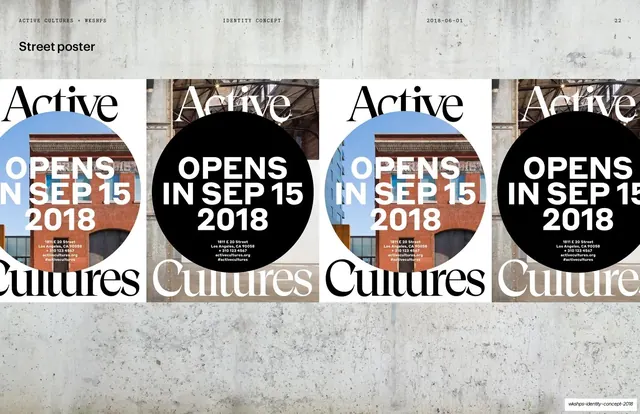 Street posters with venue photography in circles
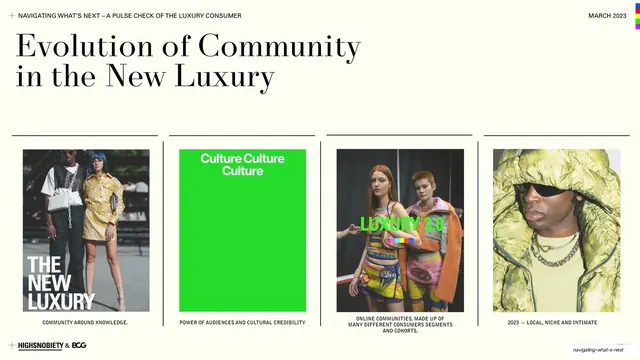 Four-frame community evolution grid
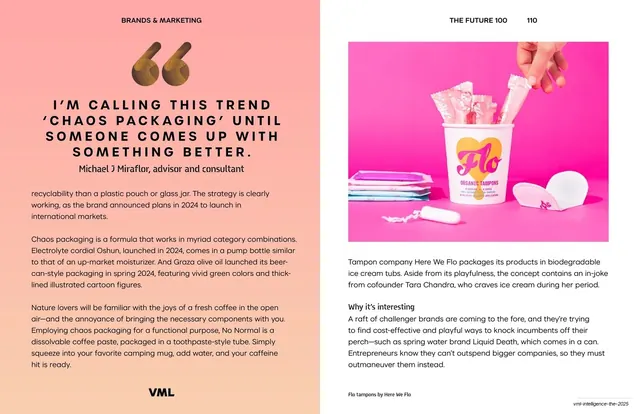 Pull quote on chaos packaging
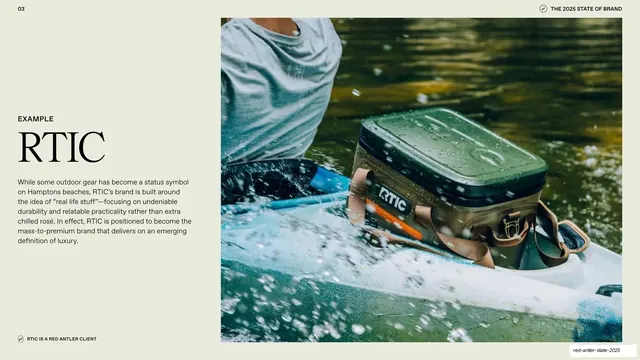 RTIC outdoor gear case example
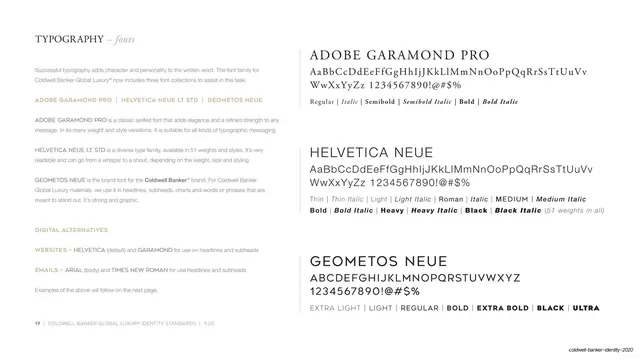 Brand type families with specimens