Player card substitution iterations
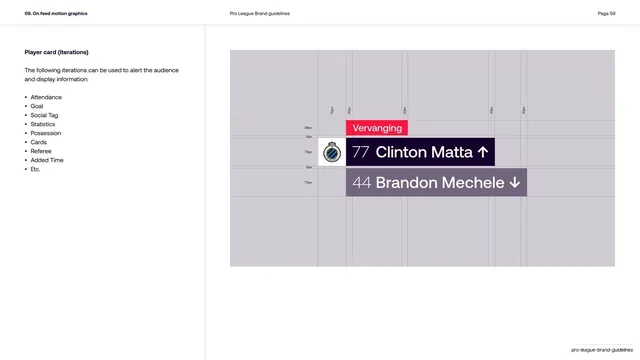
Player card iterations page showing a red substitution chip above a dark incoming-player card and a grey outgoing-player card, with direction arrows.
Summary
A player card iterations page that shows a red substitution chip above a dark incoming-player card and a grey outgoing-player card, linked by direction arrows.
Visual description
The grey spec panel shows three stacked elements. A red chip with the Dutch label "Vervanging", meaning substitution, sits above the white crest block and dark bar reading "77 Clinton Matta" with an up arrow. Below it, a grey bar reads "44 Brandon Mechele" with a down arrow, aligned to the same left edge. Measurements of 70px, 38px, 6px and 20px annotate the stack.
Key takeaway
Arrows and colour separate the incoming and outgoing players, so the stack reads as a swap at a glance. The red alert chip gives the event priority without changing the card structure.
Reuse notes
Use for substitution or line-up change graphics. The stacked pair with directional arrows is a reusable pattern for any before and after change. Keep the chip text short so it fits the card width.
More like this
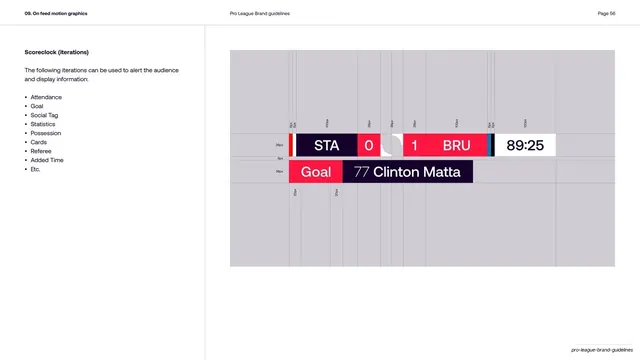 Scoreclock iteration states
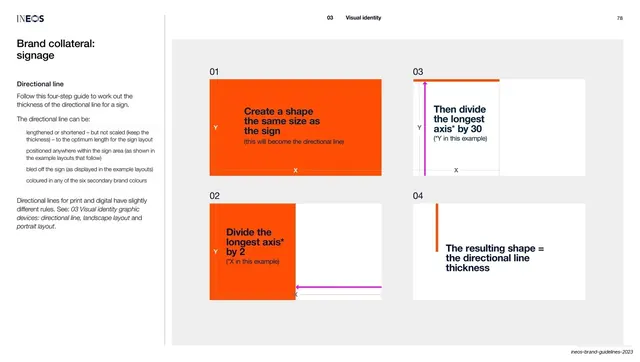 Directional line four-step method
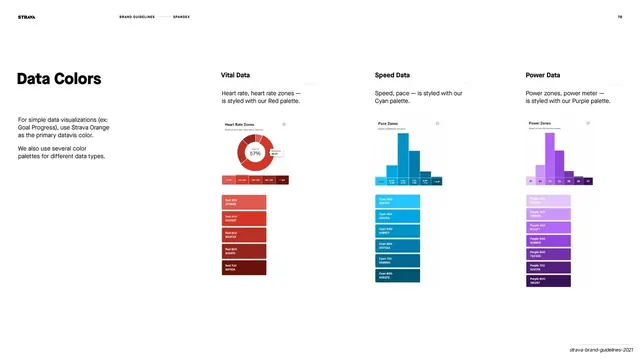 Data visualization color palettes
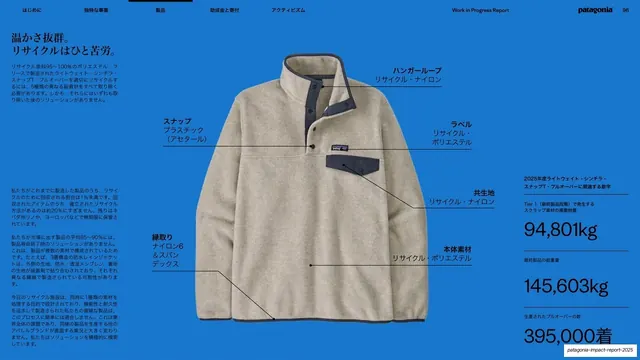 Fleece pullover material callout diagram
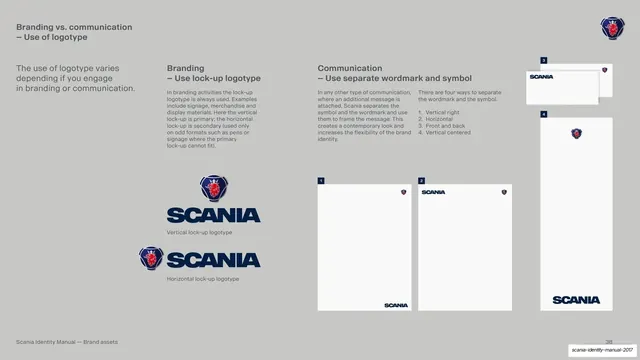 Branding versus communication logo use
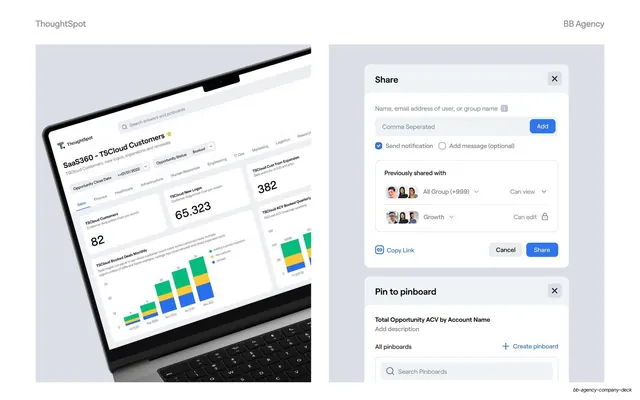 ThoughtSpot sharing and pinboard mockups
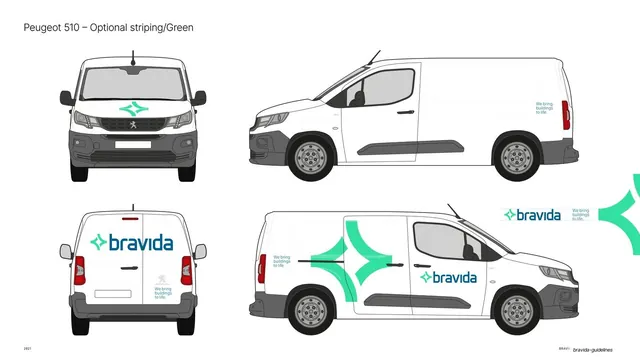 Peugeot van optional green striping
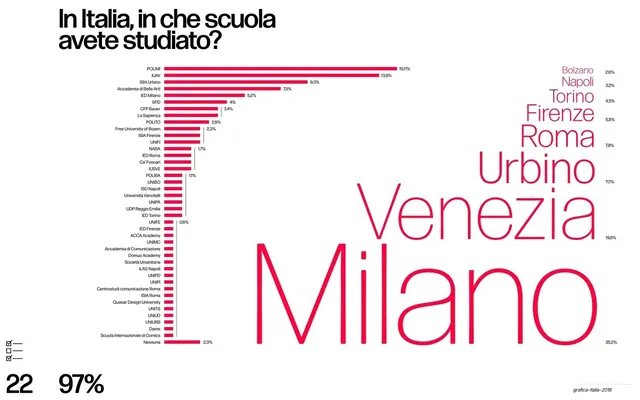 Italian design schools attended bar chart
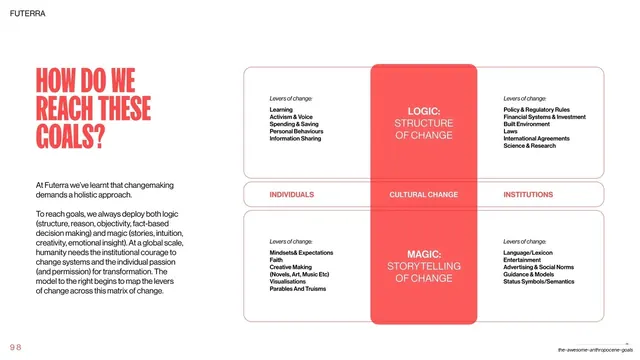 Logic and magic change matrix
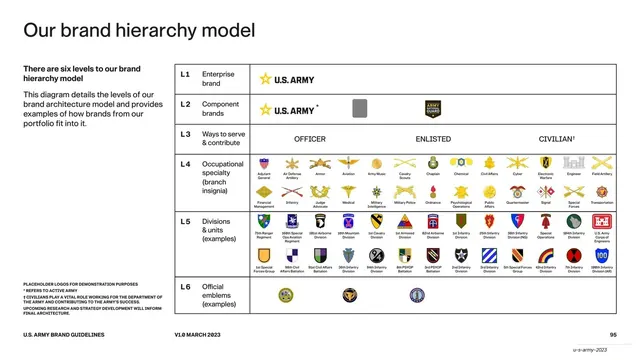 Six-level brand hierarchy table diagram
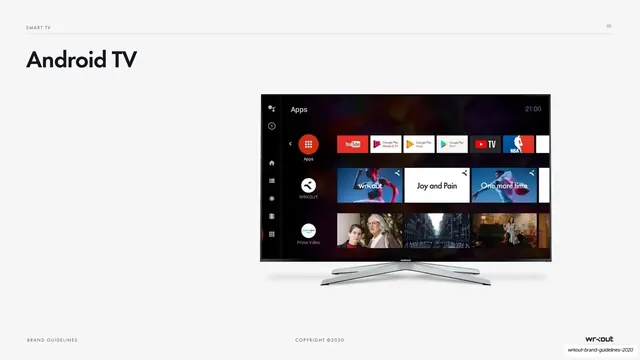 WRKOUT in the Android TV app row
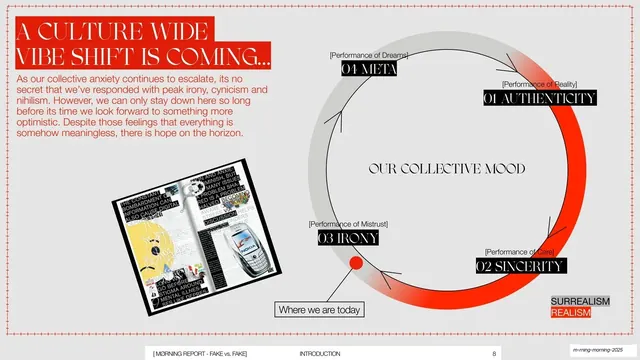 Circular collective mood cycle diagram
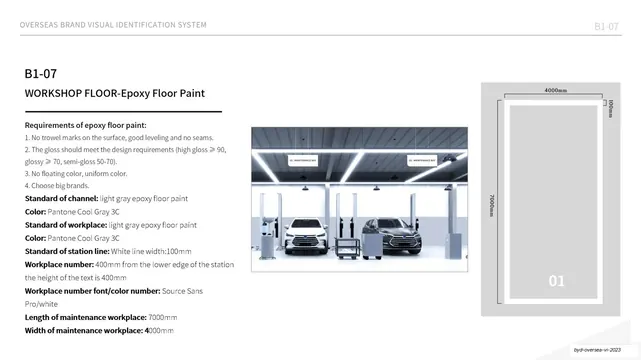 Epoxy floor finish standards and bay plan
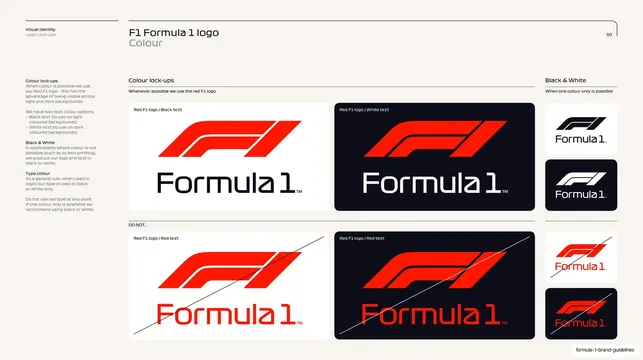 F1 Formula 1 logo colour lock-ups
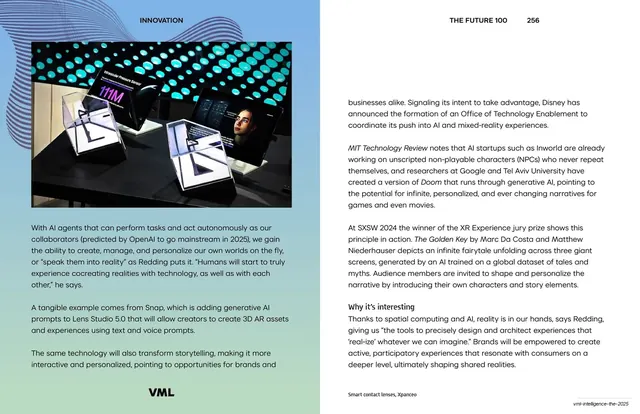 AR and smart lens exhibit spread
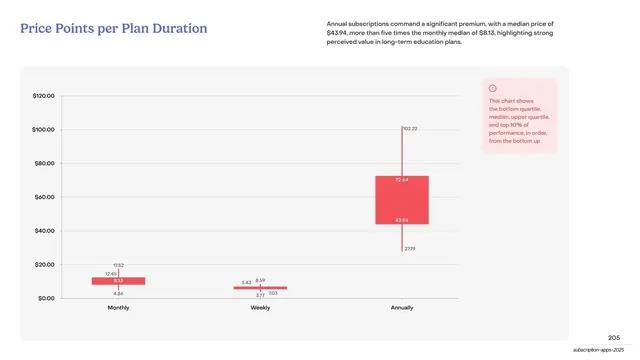 Price points by plan duration with callout
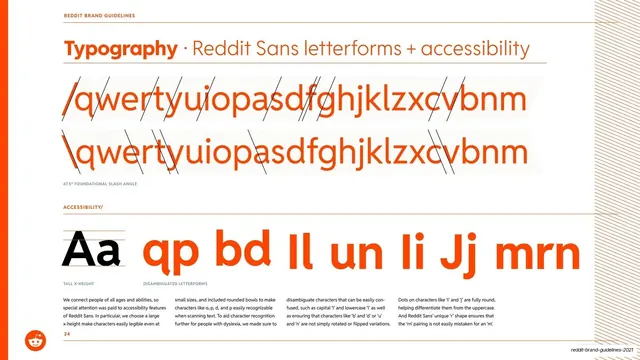 Letterforms and accessibility notes
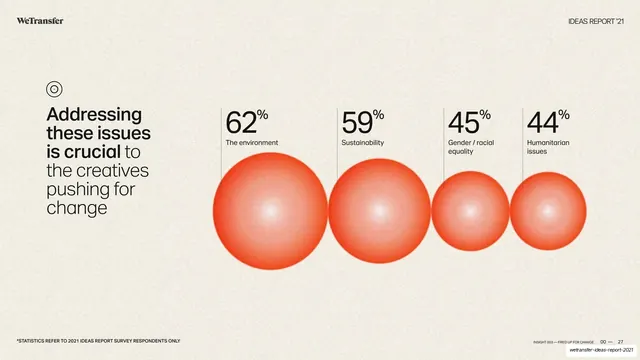 Sphere chart of workplace issues
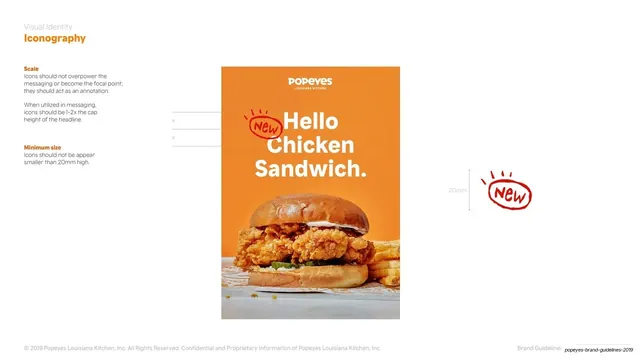 Icon scale and minimum size rules
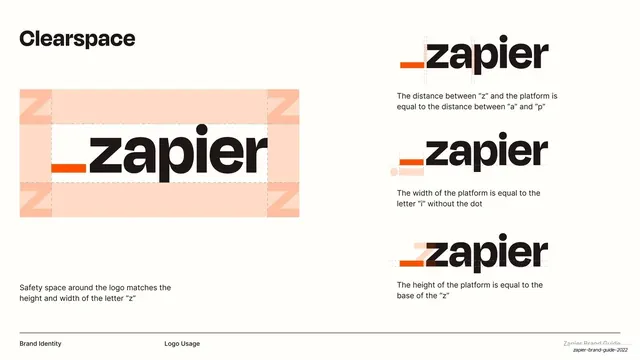 Clearspace construction diagram for logo
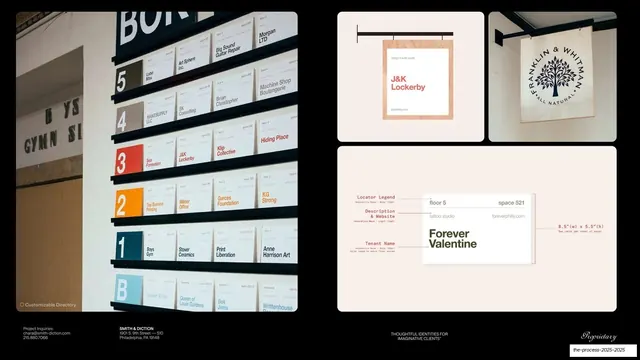 Bok Building customizable tenant directory and card spec
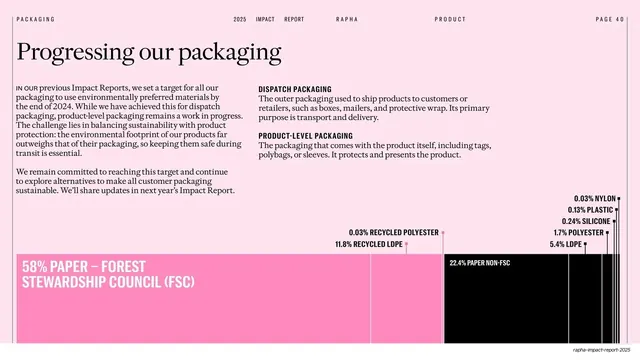 Packaging progress with proportional block chart
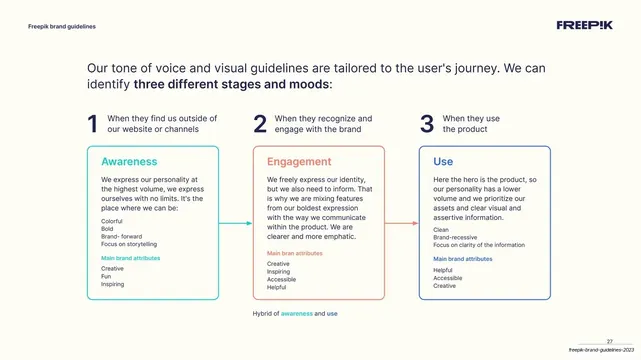 Three journey stages with tone and mood
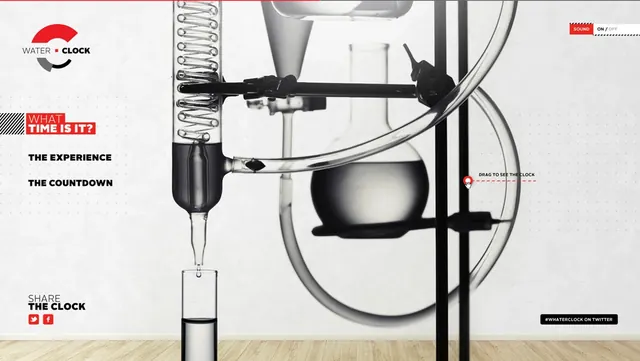 Interactive water clock installation concept