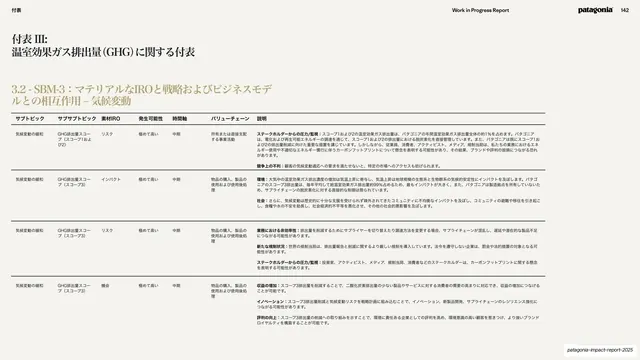
Climate material IRO interactions analysis table
Full-width ruled table scoring how climate-related material issues interact with Patagonia's strategy, with likelihood, timing and value chain columns and bold-labelled impact descriptions.
Summary
A full-width analysis table that rates how climate-related material issues (risks and opportunities) interact with the business, using columns for likelihood, time horizon and value chain.
Visual description
Off-white page with the same running header and page number 142 at top right. A serif Japanese title block (付表 III) and a gold sub-heading (3.2 SBM-3 climate) sit top left. The table spans the page width with seven columns of small sans-serif type: subtopic, sub-subtopic, material IRO, likelihood, time horizon, value chain, and description. The description column holds short paragraphs that open with bold labels such as stakeholder pressure, competitive disadvantage or new regulations. Horizontal rules separate the four main rows, and the lower part of the page carries the dense wrapped text with no imagery.
Key takeaway
Bold lead-ins inside the description cell let a reader scan the type of impact (environmental, social, reputational) without reading every sentence. The grid of short categorical columns sets up each row as a quick profile before the prose.
Reuse notes
Useful for dense qualitative tables where each row carries several categorical attributes. Expect long wrapped text, so budget row height generously. Visual hierarchy relies almost entirely on the bold labels, so use it for reference material rather than a headline narrative.
More like this
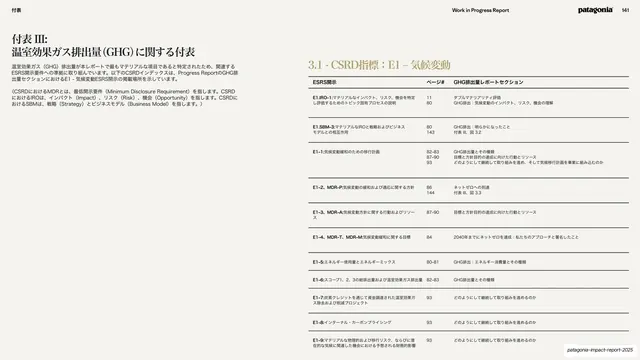 CSRD E1 climate disclosure index table
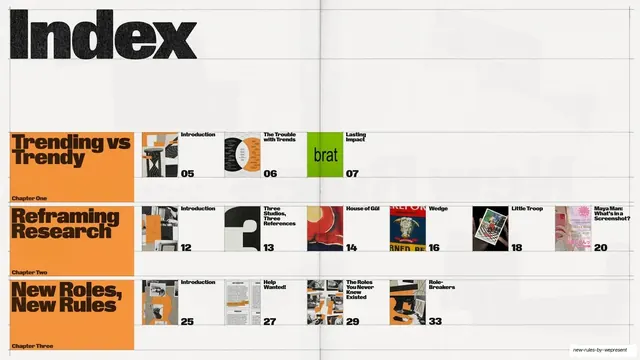 Index page with chapter bands
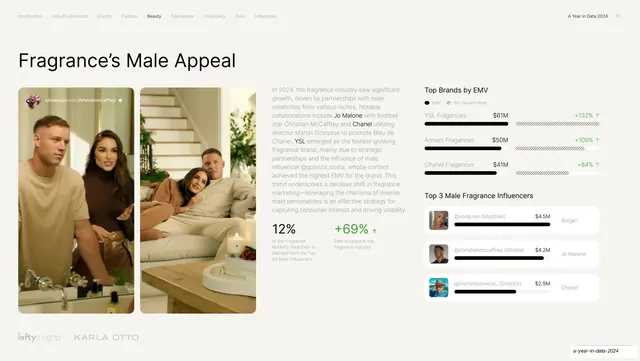 Fragrance's Male Appeal: Creator Posts
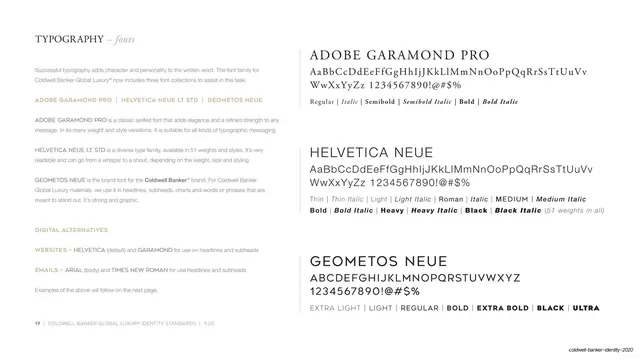 Brand type families with specimens
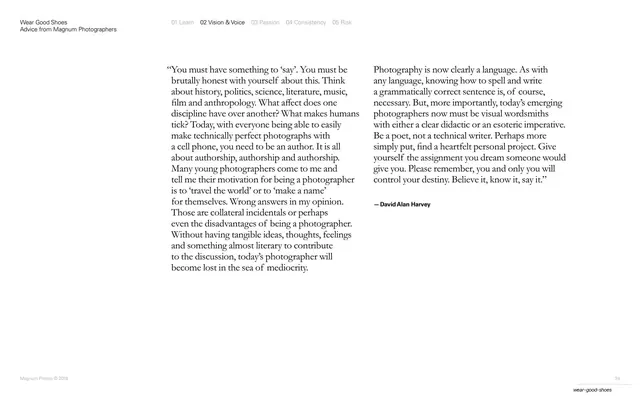 David Alan Harvey on authorship and language
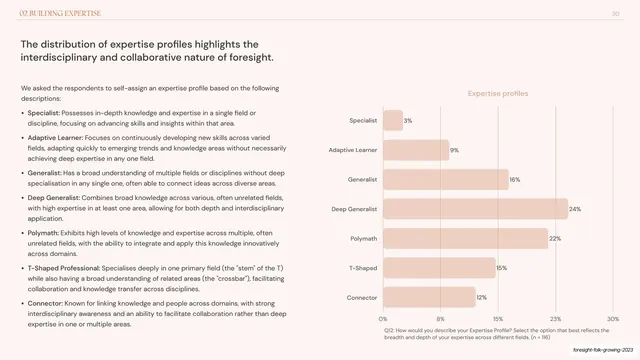 Expertise profiles definitions and bar chart
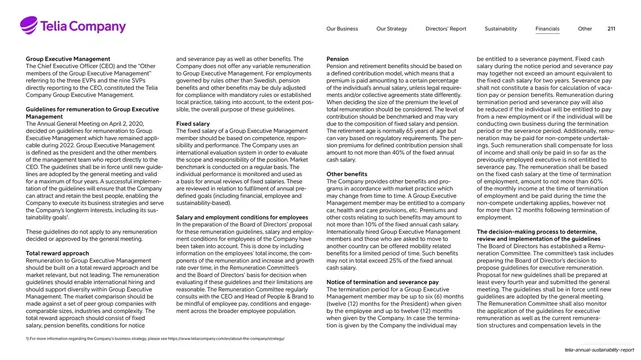 Group Executive Management remuneration guidelines text
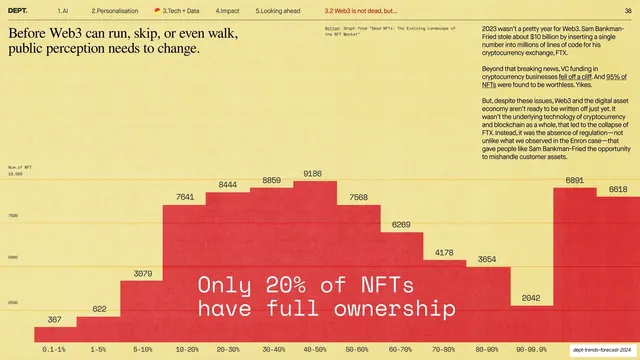 NFT ownership stepped bar chart
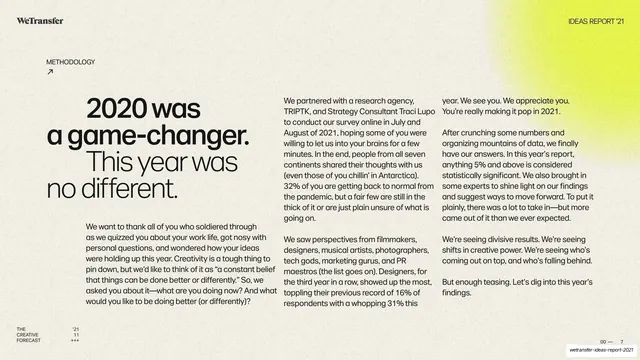 Methodology lead-in text page
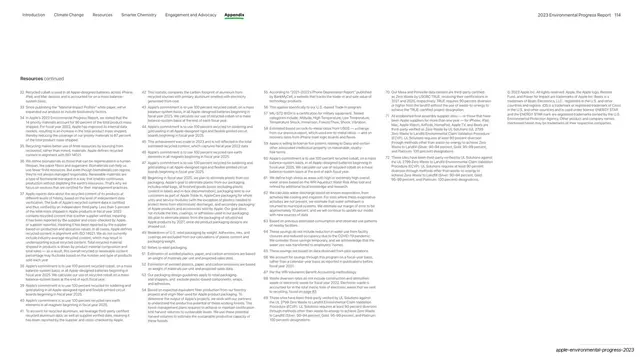 Resources continued endnotes page
 CMO letter with oversized headline and portrait
 The New York Times Investor Day 2022
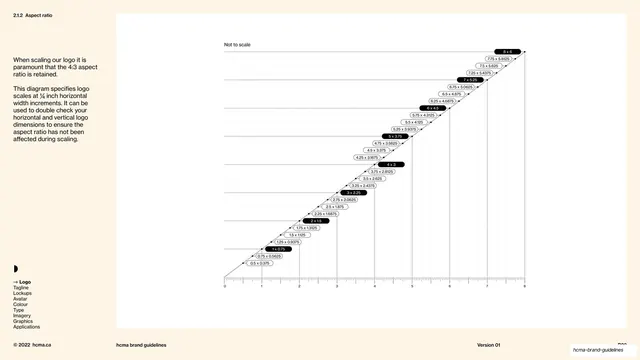 Logo scaling increments diagram
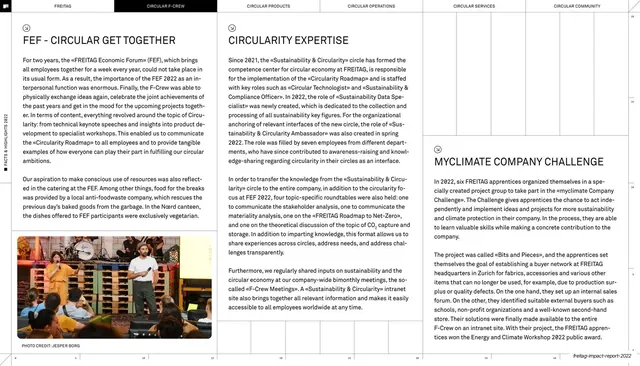 F-Crew get-together and MyClimate challenge
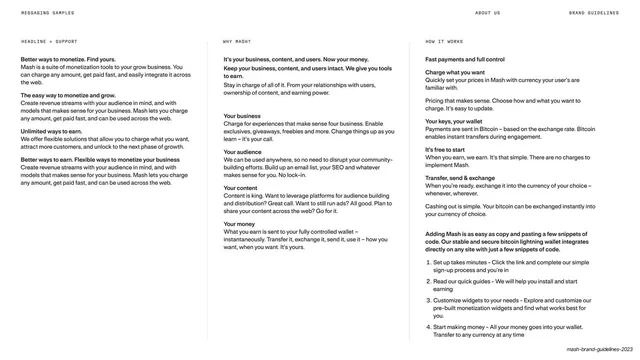 Messaging samples, three columns
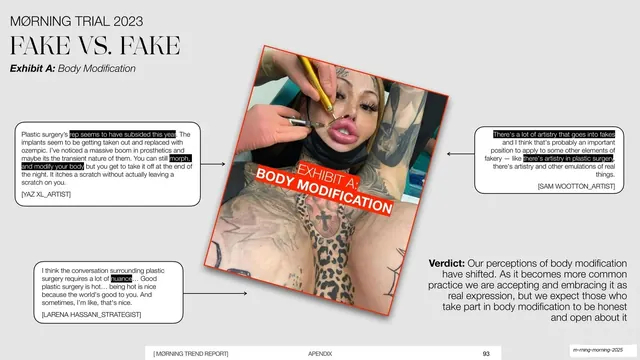 Exhibit A body modification verdict
 Smith & Diction: The Process (2025)
 United Arrows Integrated Report 2023
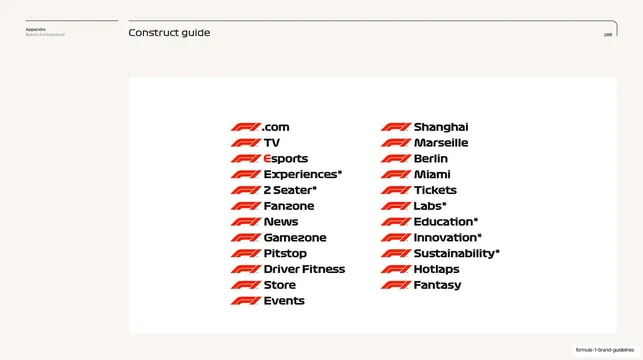 F1 sub-brand construct guide
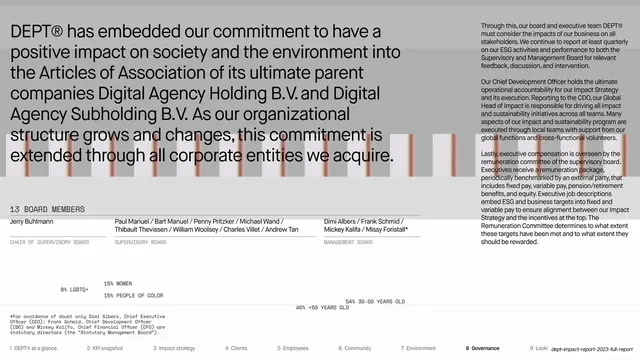 Governance statement with board member list
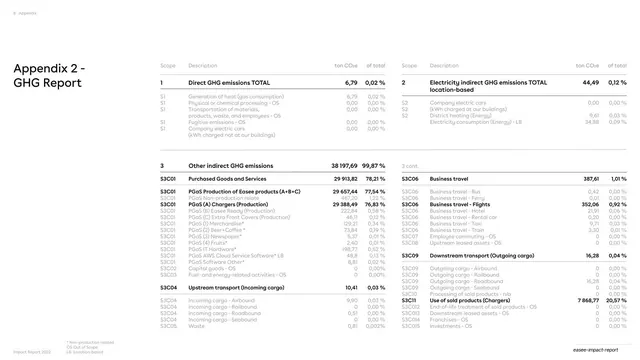 Appendix greenhouse gas emissions reference tables
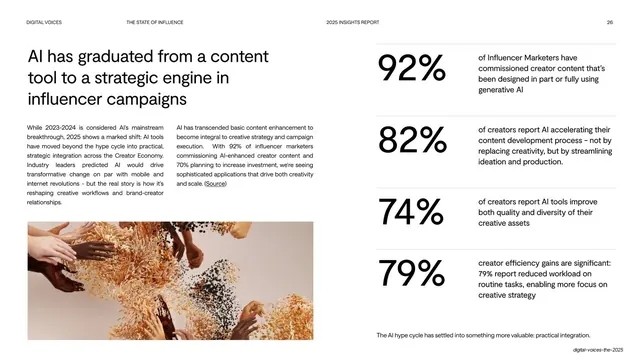 AI graduated stats and photo
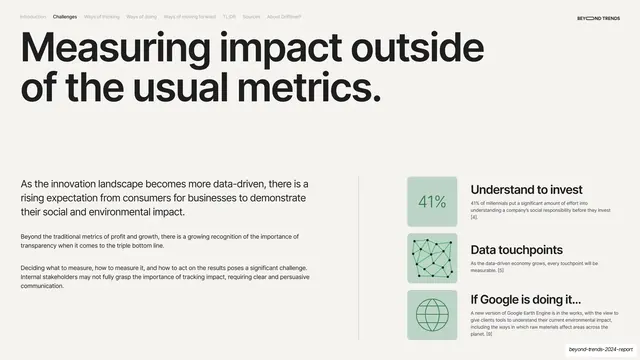 Measuring impact outside usual metrics
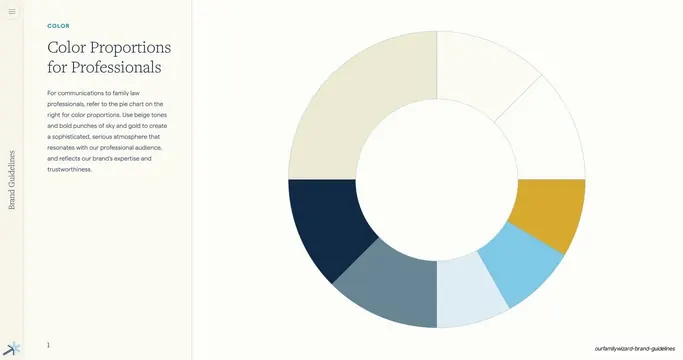 Color Proportions for Professionals donut