Glossary of climate and supply chain terms
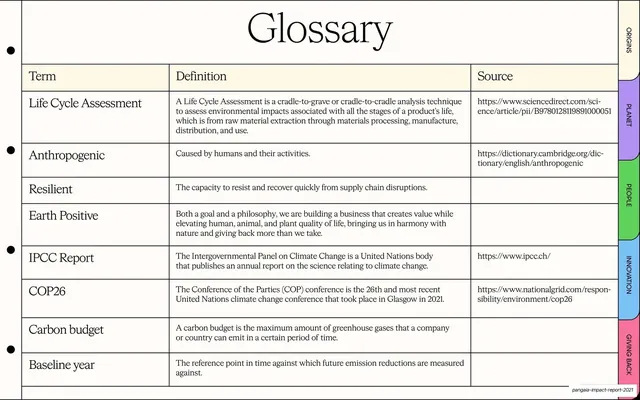
A ruled three-column glossary table (Term, Definition, Source) on cream paper, with a large serif title and colored section tabs down the right edge.
Summary
A reference slide that sets eight defined terms in a ruled three-column table under a large serif "Glossary" heading. The colored edge tabs turn the reference page into a section index for the report.
Visual description
A large, centered serif heading reading "Glossary" sits across the top of a cream slide. Beneath it, a full-width table with thin black rules has a pale cream header row labeled Term, Definition and Source. The term column uses a larger serif for entries such as Life Cycle Assessment, Earth Positive and Baseline year, while the definitions are set in a smaller serif. Black dots run down the left margin like binder holes. A vertical column of rounded tabs on the right, in cream, lilac, green, sky blue and pink, carries the uppercase sans-serif labels ORIGINS, PLANET, PEOPLE, INNOVATION and GIVING BACK. A small italic footer sits in the bottom right corner.
Key takeaway
A plain ruled table can carry dense reference material when the hierarchy is clear: large term column, quieter definitions, and a visible source column. The colored edge tabs act as a section index without any interactive chrome, and the binder-hole margin makes the page feel like a printed folio.
Reuse notes
Reach for this when a report needs a glossary or reference page that stays legible at presentation scale. It works best with short terms and a few columns, and the source column needs room for long URLs. The tab column is a good device for a multi-chapter report that wants a visible wayfinding cue on every page.
More like this
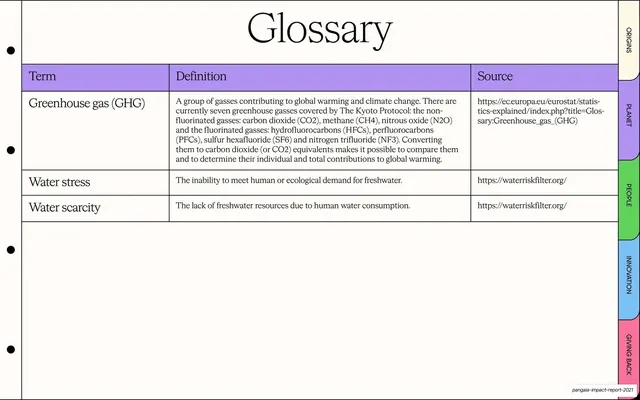 Glossary of greenhouse gas and water terms
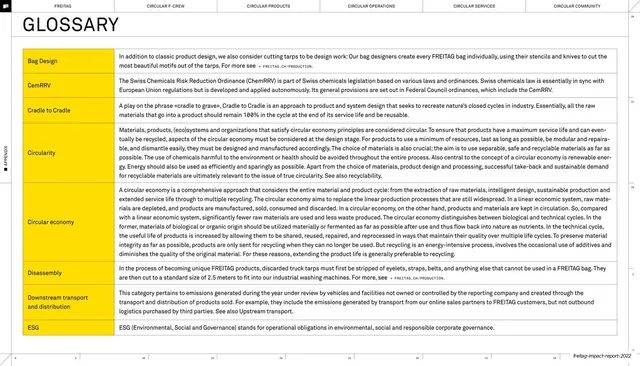 Glossary, terms A to E
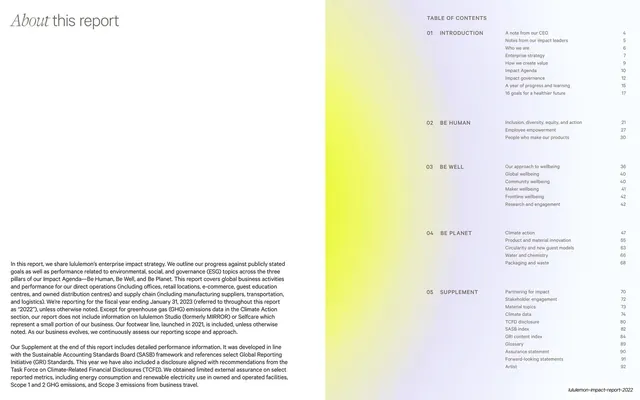 About this report and table of contents
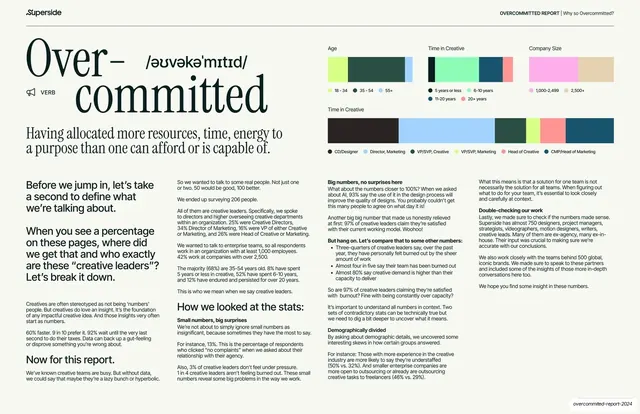 Definition and survey method page with stacked bar charts
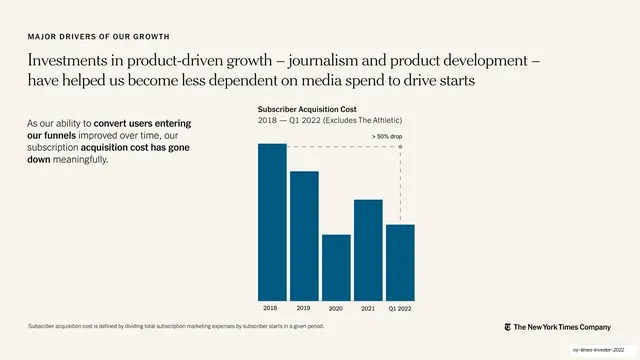 Subscriber acquisition cost bar chart
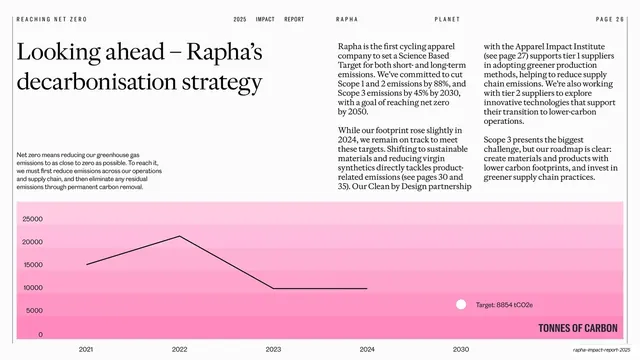 Net zero strategy with emissions line chart
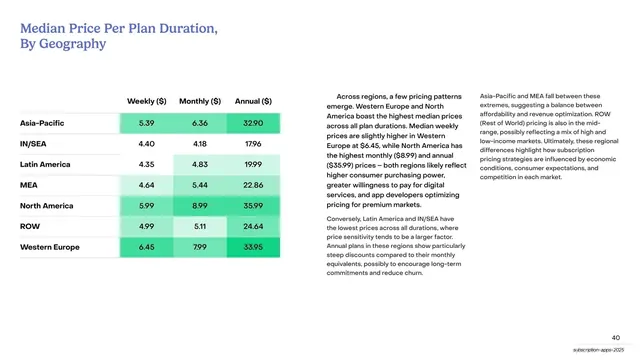 Median price per plan by geography
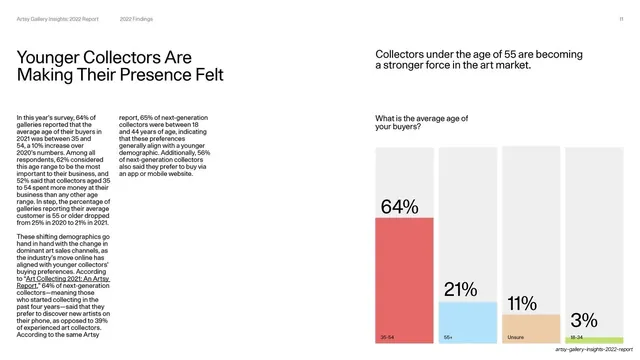 Younger Collectors Are Making Their Presence Felt
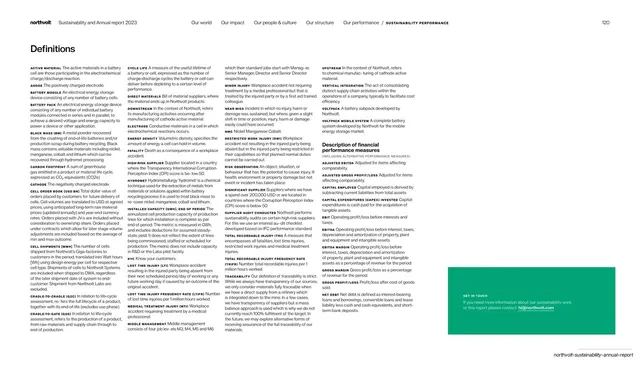 Definitions glossary and contact panel
 United Arrows Integrated Report 2023
 The Spread newsletter subscription promotion
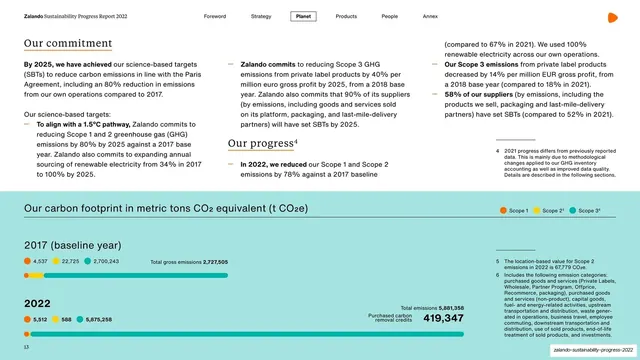 Commitments text with carbon footprint bars
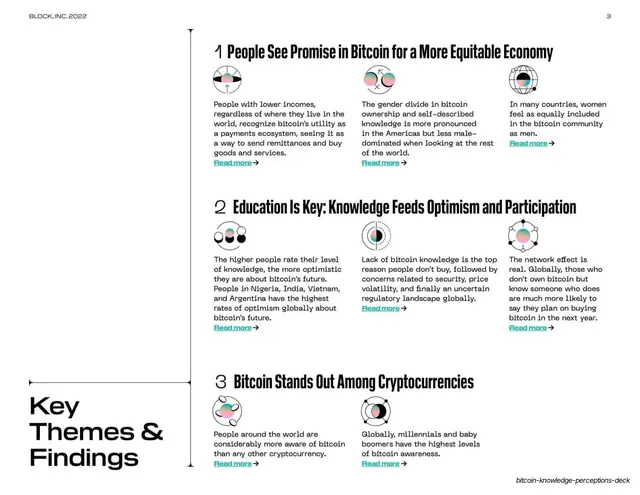 Key Themes and Findings agenda grid
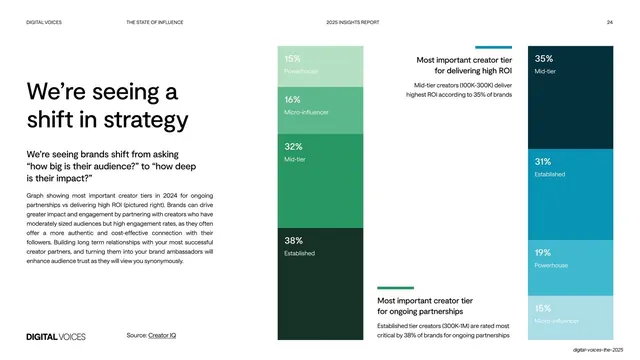 Shift in strategy stacked bar comparison
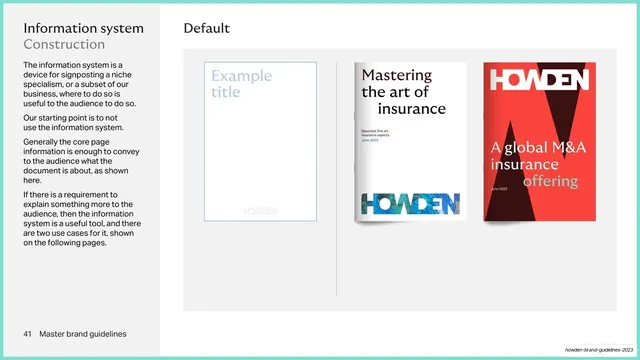 Default information system cover examples
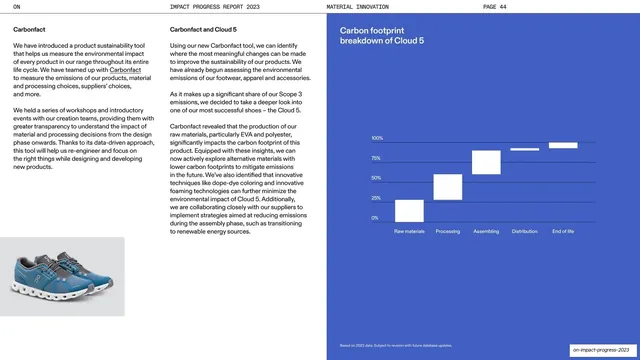 Carbonfact tool and Cloud 5 footprint
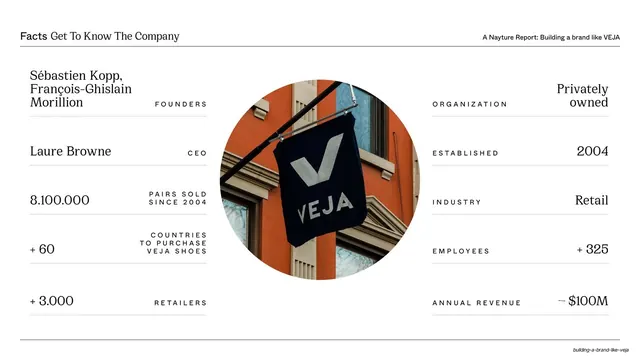 VEJA company facts spread
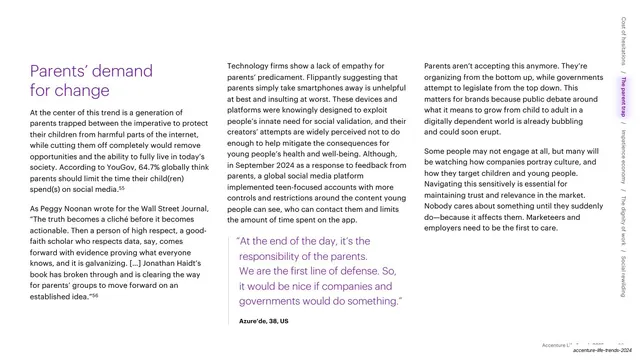 Parents' demand for change text page with quote
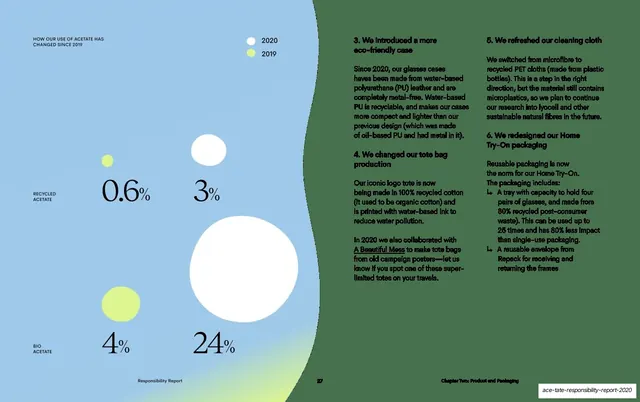 Product acetate change, bubble comparison
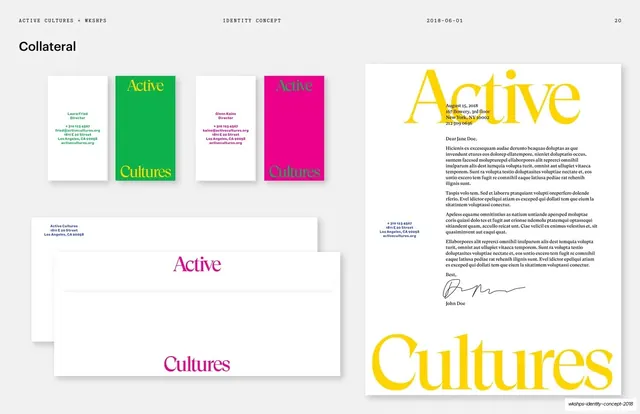 Business cards, envelopes and letterhead suite
 Cultural Pioneer versus general consumer stats
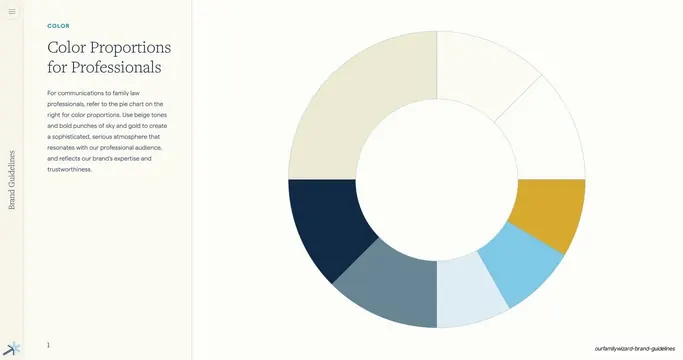 Color Proportions for Professionals donut
 Safe spaces text spread with desert photo sidebar
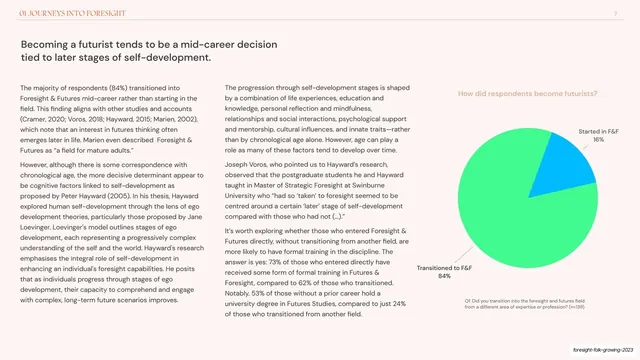 Mid-career decision pie-chart data slide