Expressive headline type settings tables
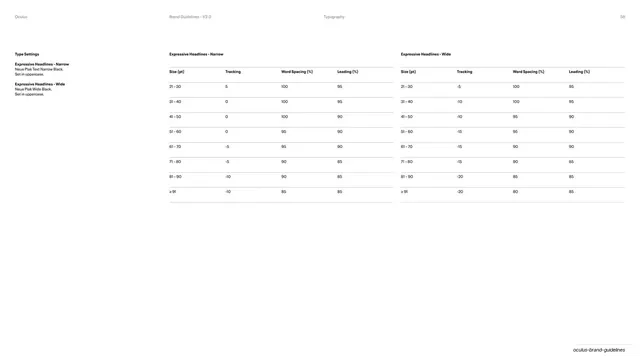
Two reference tables of tracking, word spacing and leading by point size for the narrow and wide expressive headline faces.
Summary
A paired reference of type settings for the Narrow Black and Wide Black expressive headline faces, set by point size.
Visual description
A text column at left names Neue Plak Text Narrow Black and Neue Plak Wide Black, both set in uppercase. Two equal tables sit to the right, Expressive Headlines Narrow and Expressive Headlines Wide, each with size, tracking, word spacing and leading columns. The narrow table starts with a small positive tracking value, while the wide table starts at minus 5 and tightens further as size rises. Thin grey rules separate every row.
Key takeaway
The expressive faces need their own tables because the narrow and wide cuts take different tracking. Placing the two side by side makes the settings directly comparable.
Reuse notes
Use alongside slide 57 when a brand defines more than one headline face. The paired tables are a quick check when setting a large headline. Keep the two tables together so the narrow and wide values are not swapped.
More like this
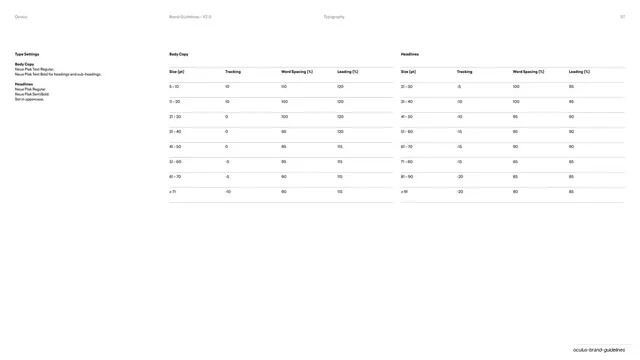 Type settings table for body and headlines
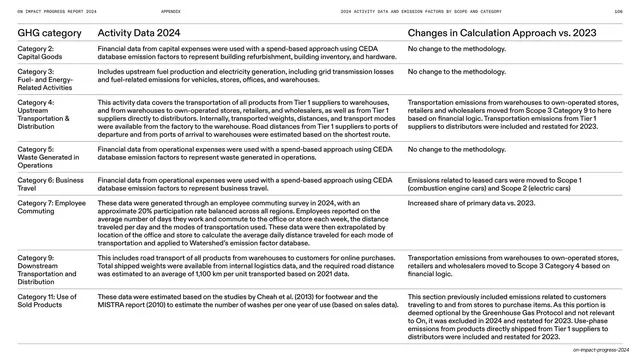 Activity data table continued, categories 2 to 11
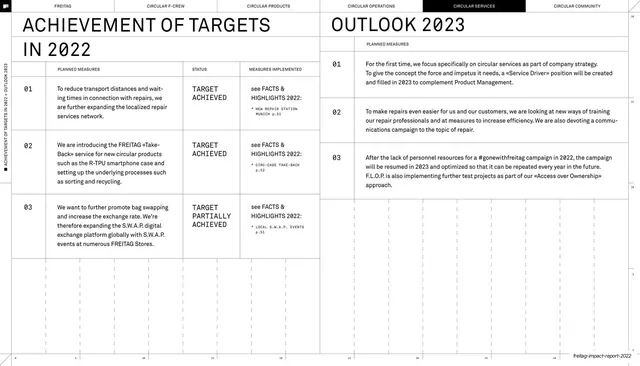 Achievement of targets and outlook (services)
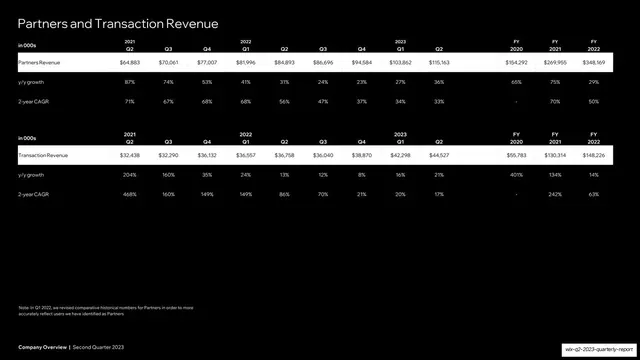 Partners and Transaction Revenue appendix tables
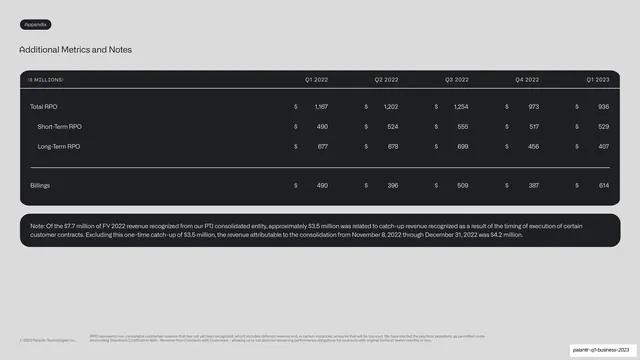 Additional metrics RPO and billings table
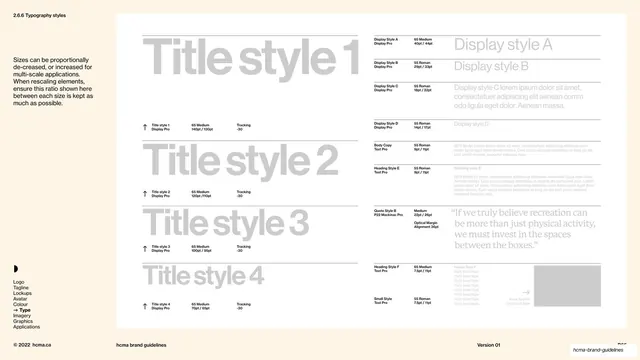 HCMA typography styles and hierarchy
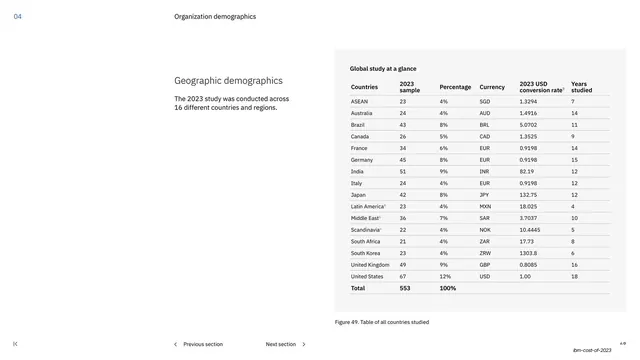 Geographic demographics country table
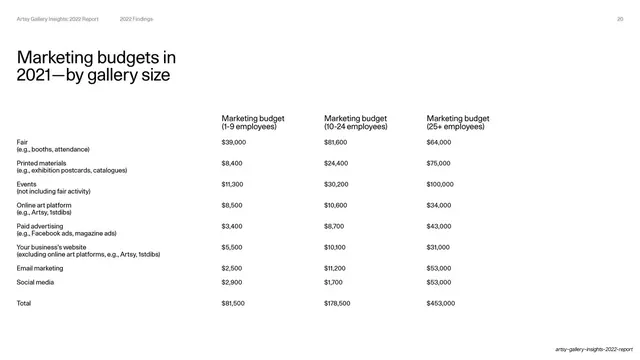 Marketing budgets in 2021 by gallery size
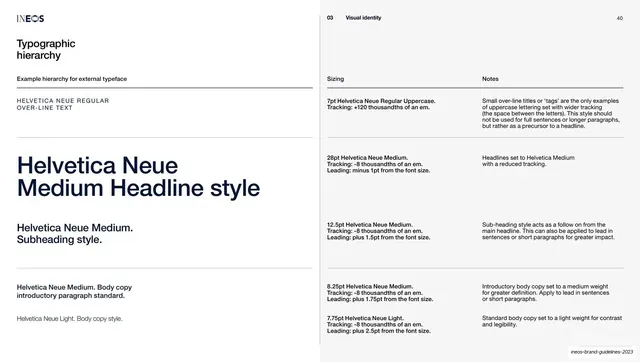 Typographic hierarchy sizing example
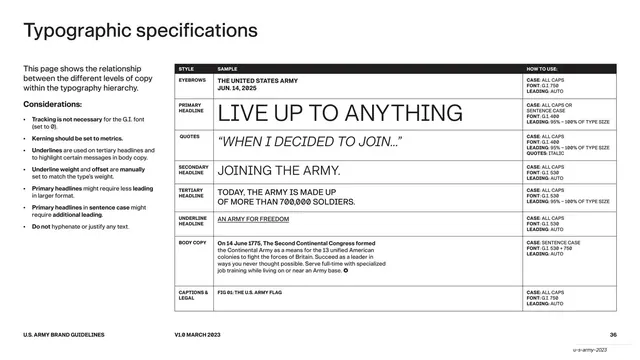 Typographic specifications table by style level
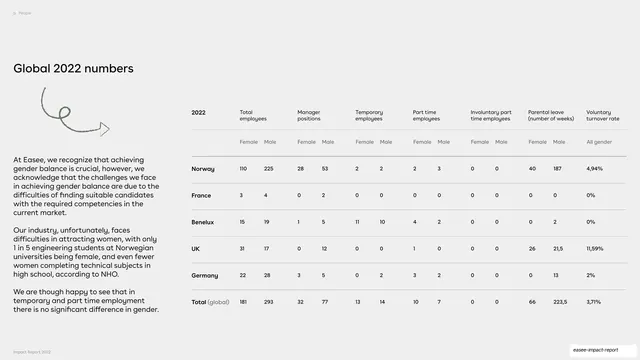 Country-by-country gender headcount data table
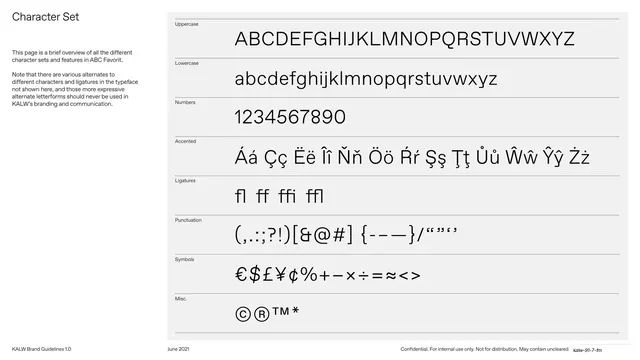 Character set rows by category
 FAQs page - questions continued
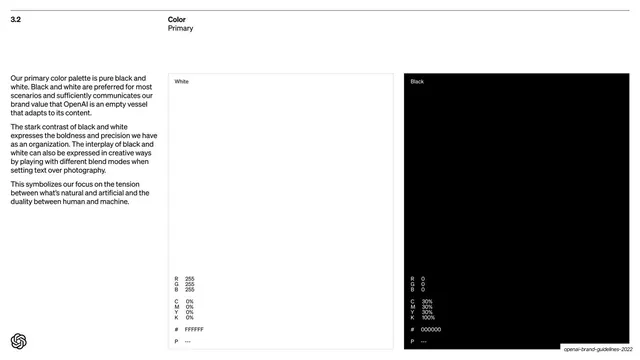 Primary color palette black and white
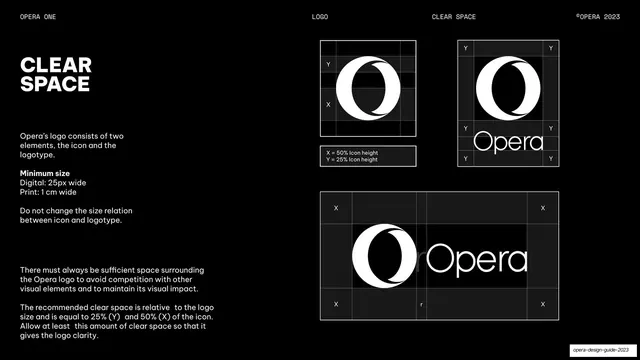 Logo clear space and minimum size
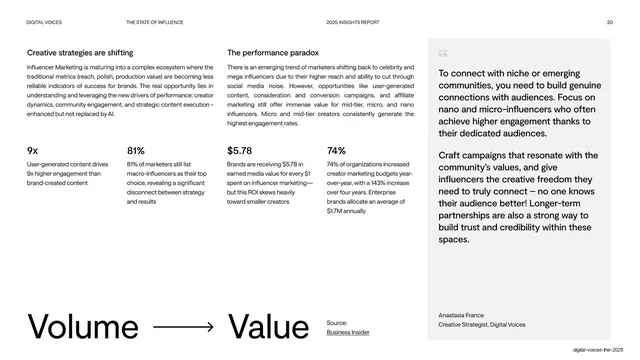 Performance paradox stats and quote
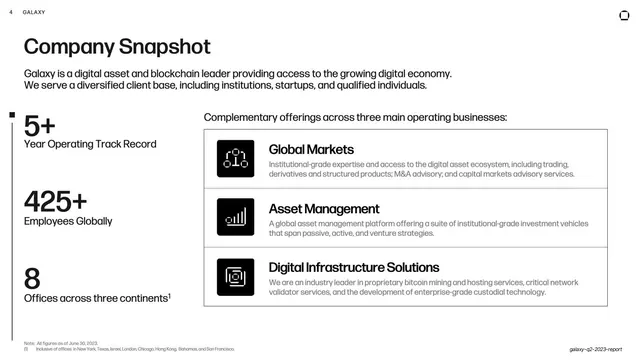 Company snapshot
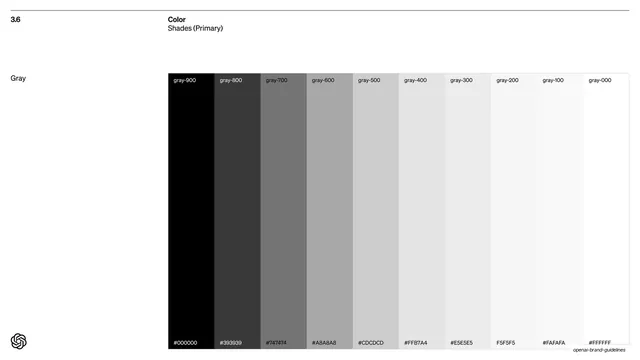 Primary gray scale, gray-900 to gray-000
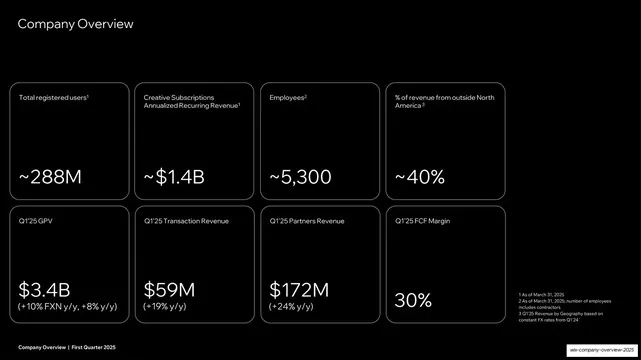 Key metrics grid of eight outlined tiles
 Alternate characters glyph set - F1 Regular
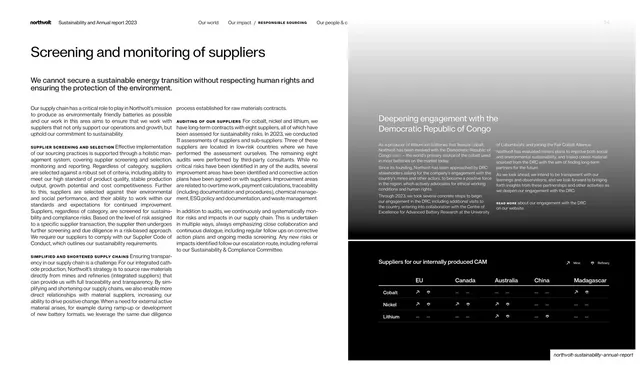 Supplier screening and monitoring matrix
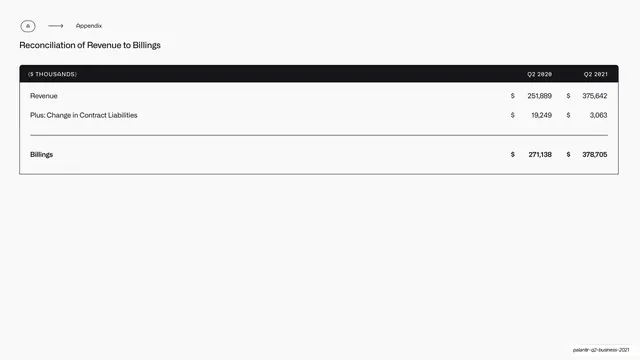 Revenue to billings reconciliation table
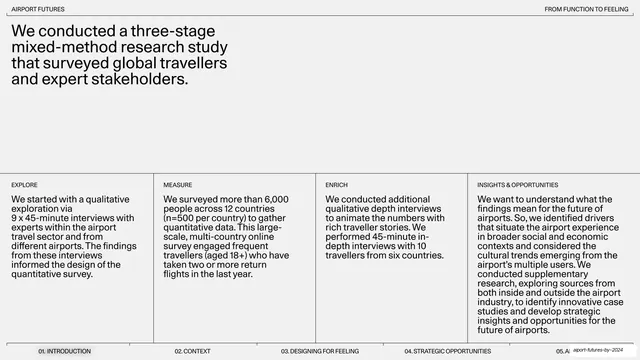 Three-stage research method columns
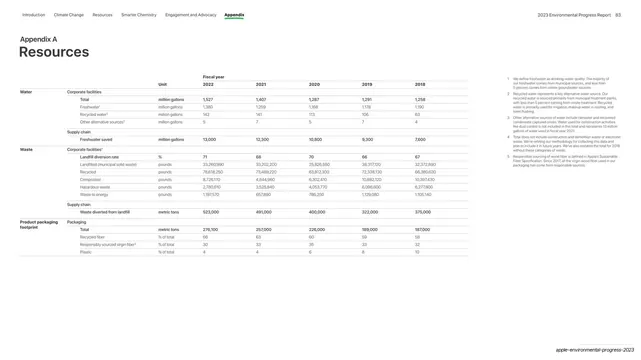 Appendix A water, waste and packaging data