Five knowledge categories three-column text slide
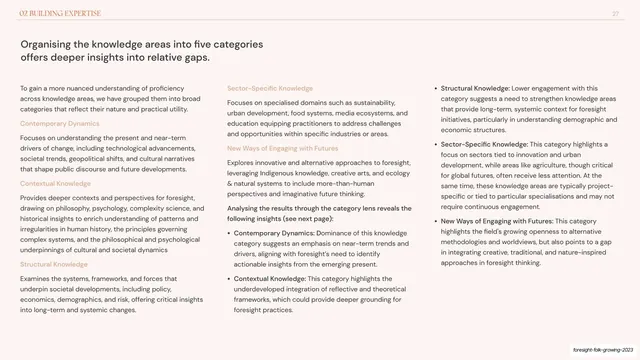
Light slide presenting a five-category framework for organising knowledge areas as three dense columns of body text with bold category lead-ins.
Summary
A text-driven framework slide that defines a five-category scheme for grouping knowledge areas (Contemporary Dynamics, Contextual, Structural, Sector-Specific, New Ways of Engaging), laid out as three columns of prose with bold category names.
Visual description
Warm off-white background with the running header on a hairline rule (small all-caps chapter label left, "27" right). A short dark sans headline sits upper-left. The body spreads across three near-equal columns of small dark text. Each category is introduced by its bold name in-line, then explained in a short paragraph, so the slide reads as five labelled definitions woven through the columns. Density is high and uniform, matching the other reading slides in the chapter. Deck-slug annotation bottom-right.
Key takeaway
Introducing a multi-part framework as bold inline lead-ins inside running prose rather than as a diagram, when the categories need explanation rather than picture. The three-column grid carries five defined terms cleanly on one page and sets up the chart slide that visualises them next.
Reuse notes
For report decks that must define a taxonomy in words before charting it. Pairs naturally with a following small-multiples chart using the same category set and colors. Bold the category names consistently so readers can scan the scheme; the small type keeps it a document, not a projection slide.
More like this
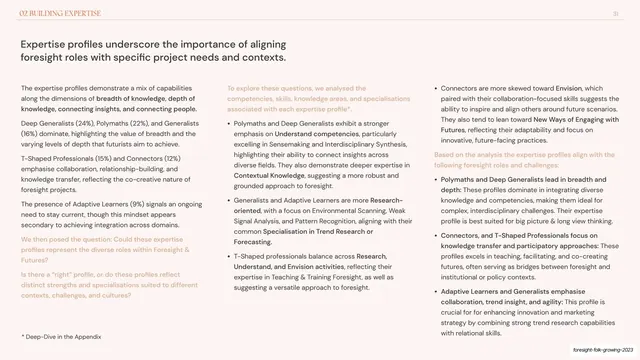 Expertise profiles roles three-column text slide
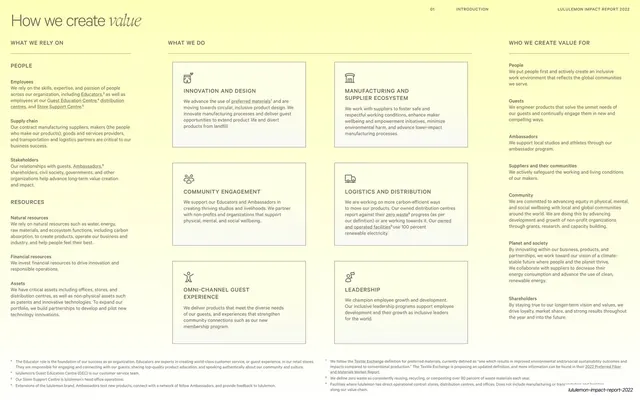 How we create value three-column model
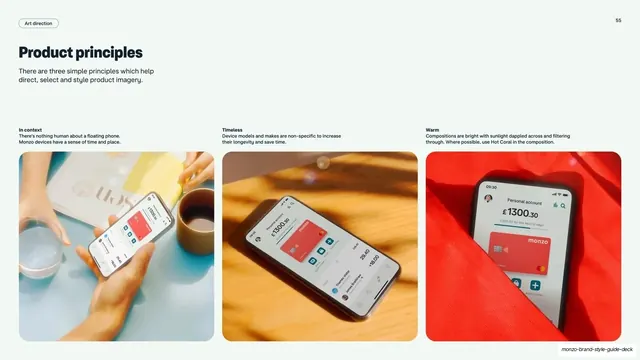 Monzo art direction product principles
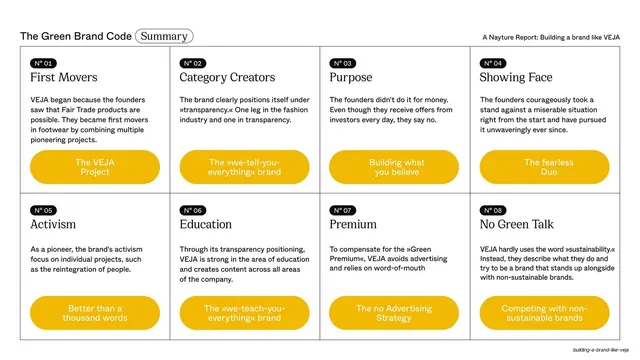 Green Brand Code summary 8-card grid
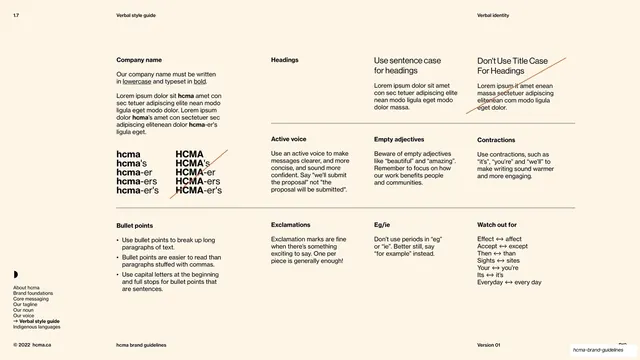 Verbal style guide writing rules grid
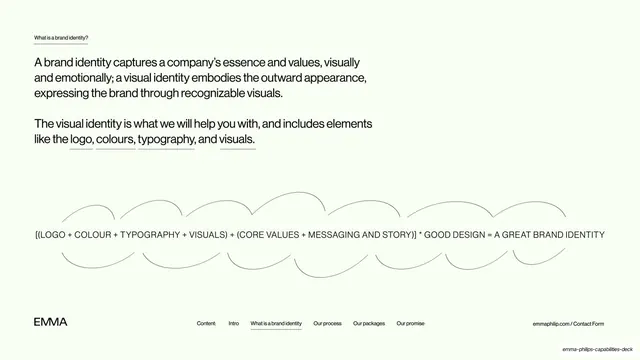 What is a brand identity
 FREITAG Impact Report 2022
 F1 Seasonal Identity placeholder note
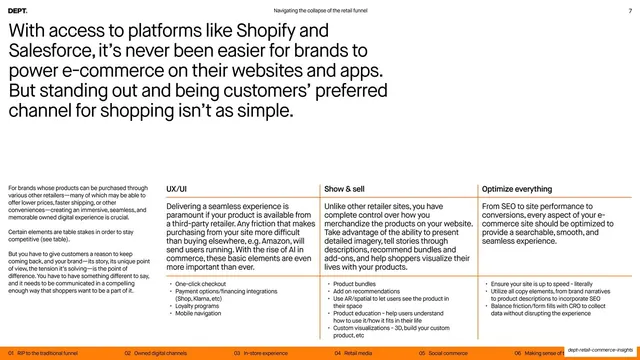 Three-column owned-channel differentiators with bullet lists
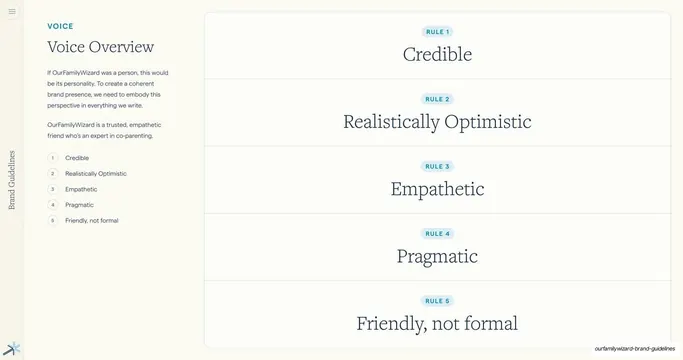 Voice overview, five rule cards
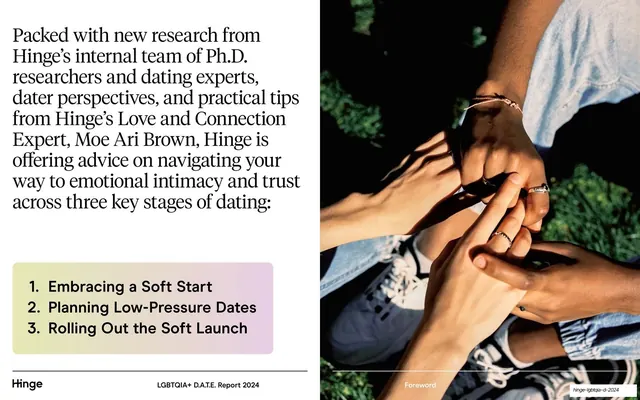 Three stages of dating framework
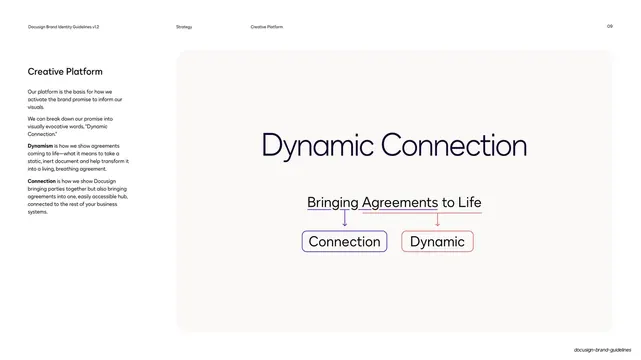 Creative platform Dynamic Connection
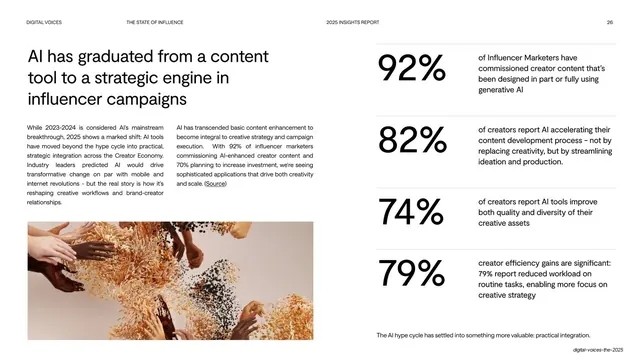 AI graduated stats and photo
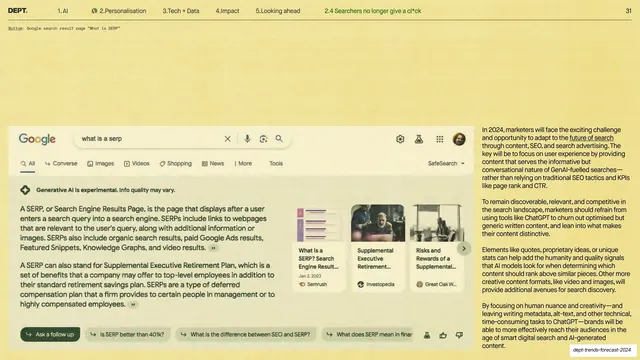 Conversational SERPs (Google SERP screenshot + body)
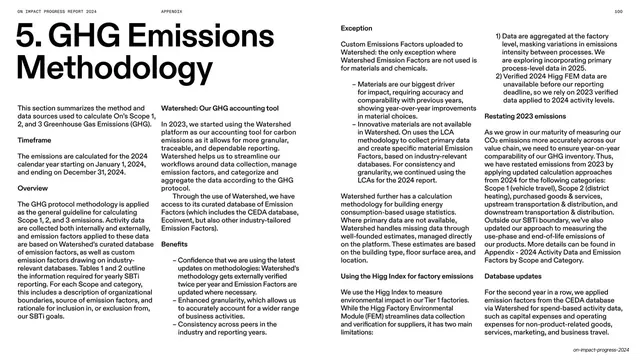 GHG Emissions Methodology appendix
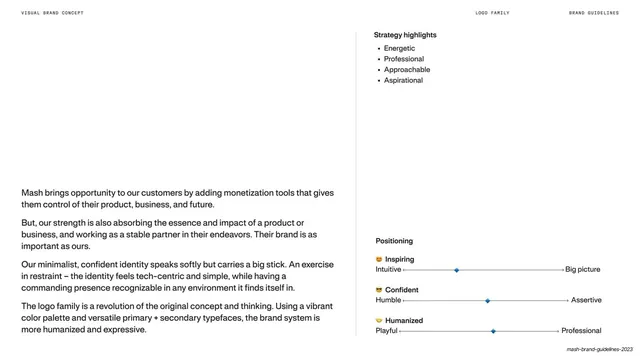 Visual brand concept and positioning
 Photo effects, beige filter and halftone
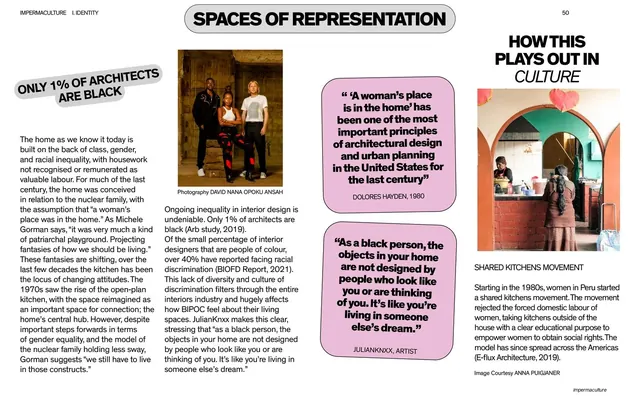 Spaces of representation essay spread
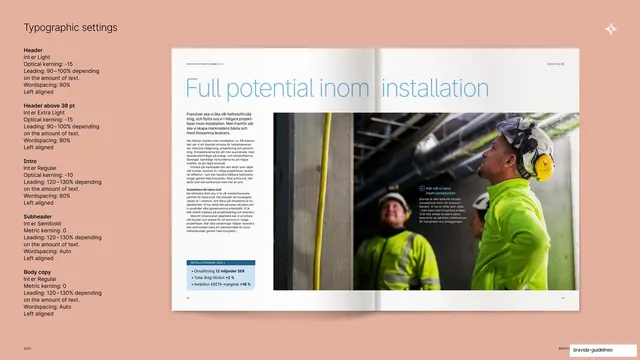 Typographic settings per text level
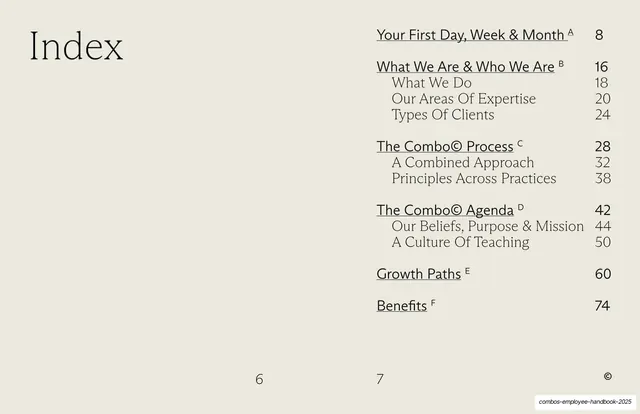 Index / table of contents
 Built environment sustainability blueprint photo
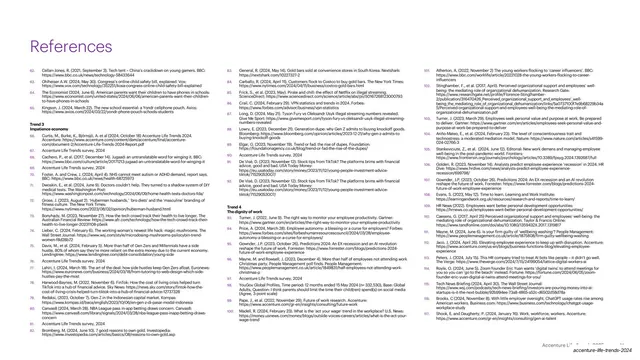 References bibliography page (three-column)
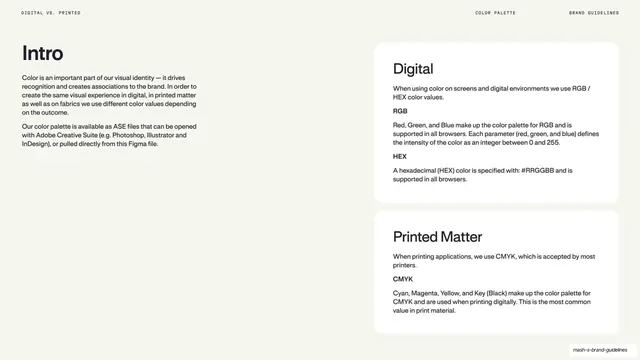 Mash digital vs print color rules
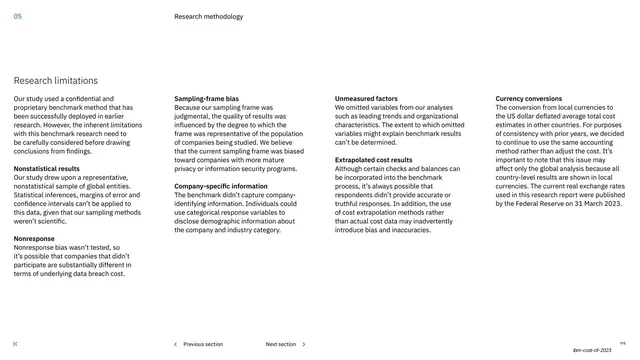 Research limitations body slide