Docusign Brand Identity Guidelines 2024
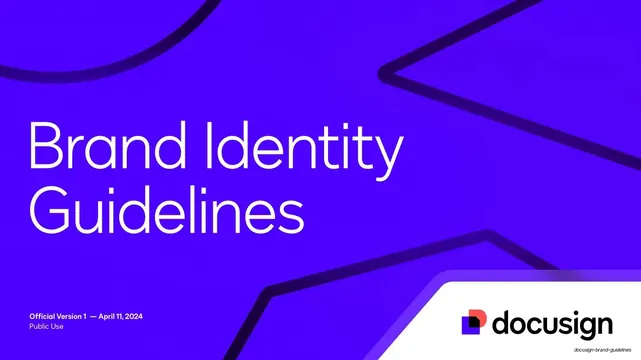
A 102-page Docusign brand identity guideline deck built on an electric-violet and deep-indigo system, geometric DS Indigo type, the dog-eared "Nexus" mark, and a consistent label-left / content-right page grammar.
Summary
Docusign's official 2024 Brand Identity Guidelines: a 102-page system deck organized into numbered chapters (Introduction, Brand Strategy, Logo, Color, Typography, Visual Elements, Product Imagery, Photography, Video and Motion, and a Brand-in-Use appendix). Its personality comes from an electric-violet-and-indigo palette, a clean geometric sans, the dog-eared "Nexus" mark, and one repeated page grammar that keeps a very long document coherent.
Visual description
Slides run 16:9. The color system pairs a saturated electric cobalt-violet (#4C00FF) and a near-black deep indigo (Inkwell, ~#1B0A3A) as the dominant grounds, with a coral "Poppy" red (#FF5252) and crisp white as accents, a warm off-white cream (#F5F2EC) for light panels, and an occasional mint-green status accent. Type is DS Indigo, a geometric sans, set light and oversized for display and used quietly at small sizes for body and a persistent running header. That header is consistent throughout: deck title at left ("Docusign Brand Identity Guidelines v1.2"), centered section / subsection breadcrumbs, and a page number at right, all in tiny type.
Two layout motifs carry the deck. First, content pages use a fixed label-left / content-right grid: a short bold label or heading and explanatory copy sit in a narrow left column while the demonstration (a diagram, a logo panel, a mockup, a do/don't pair) fills the right two-thirds, often inside a rounded cream or dark panel. Second, every chapter opens with a numbered full-bleed divider ("1 Introduction", "2 Brand Strategy", "3 Logo", and so on) where the chapter number and name sit on a small notched white corner tab, while the background varies per chapter, faint outlined brand geometry with gradient strokes, stacked translucent glassy panels, or a construction grid with hex chips and cursor-style name tags.
Recurring components and treatments include: the multi-color Nexus icon (a cobalt rounded square overlapping a poppy "D" monogram with a white dog-eared document in the negative space) shown both solid-on-dark and as line construction with 45/90-degree angle markers; the standalone dog-eared "Shape of Agreements"; oversized brand-promise statement slides ("Bringing Agreements to Life.") on vivid gradients; concentric-ring and phrase-breakdown diagrams; do-and-don't pages using red-cross / green-check corner chips and diagonal strikes; gradient stripe and glassmorphic graphic systems; isometric spot illustrations and pictograms (per the contents); and a Brand-in-Use appendix of real-world mockups (transit posters, vertical station banners, wide-format billboards) each shown one-per-page with a small left label.
Key takeaway
The fixed label-left / content-right grid that lets a 100-plus-page guideline stay legible and predictable while the right panel changes from diagram to mockup to rule. The numbered section dividers with a constant notched corner tab over a per-chapter background, variety and consistency at once. And the system thinking on display: a single owned shape (the dog-eared document) recurs from logo to icon to background geometry to graphic pattern, so the whole identity reads as one idea expressed at every scale.
Reuse notes
A reference-grade template for any full brand or design-system guideline, and for long structured decks generally (reports, playbooks, internal handbooks). The chapter-divider system, the breadcrumb running header, the do/don't chip language, and the one-mockup-per-page appendix are all directly reusable. It leans on a distinctive brand color, a clean geometric sans, and genuinely good mockups and illustration; swap the Nexus mark and DS Indigo for your own. The dark-heavy palette needs the occasional cream or light panel (as used here) to keep dense chapters from feeling oppressive.
More like this
 DocuSign Brand Identity Guidelines 2024
 Superlist Pitch Deck 2023
 Nietzsche Pitch Deck 2023
 Opera One Design Guide 2023
 Glide Brand Guidelines 2025
 WayRay Pitch Deck 2023
 Frame.io Brand Style Guide 2023
 Dropbox Q3 2024 Investor Presentation
 BB Agency Company Deck
 Arkive Pitch Deck 2022
 Linear Pitch Deck 2023
 Hulu Brand Guidelines 2024 (Big Green Guide)
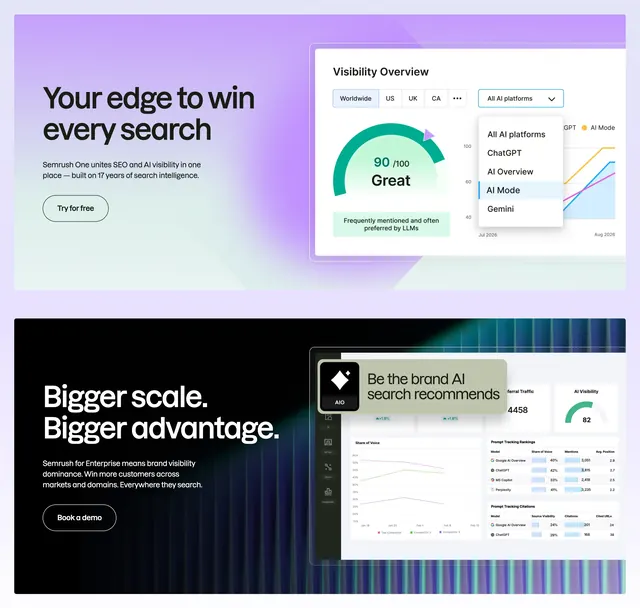 Semrush AI search dual feature
 OpenAI Brand Guidelines 2022
 Palantir Q1 2023 Business Update
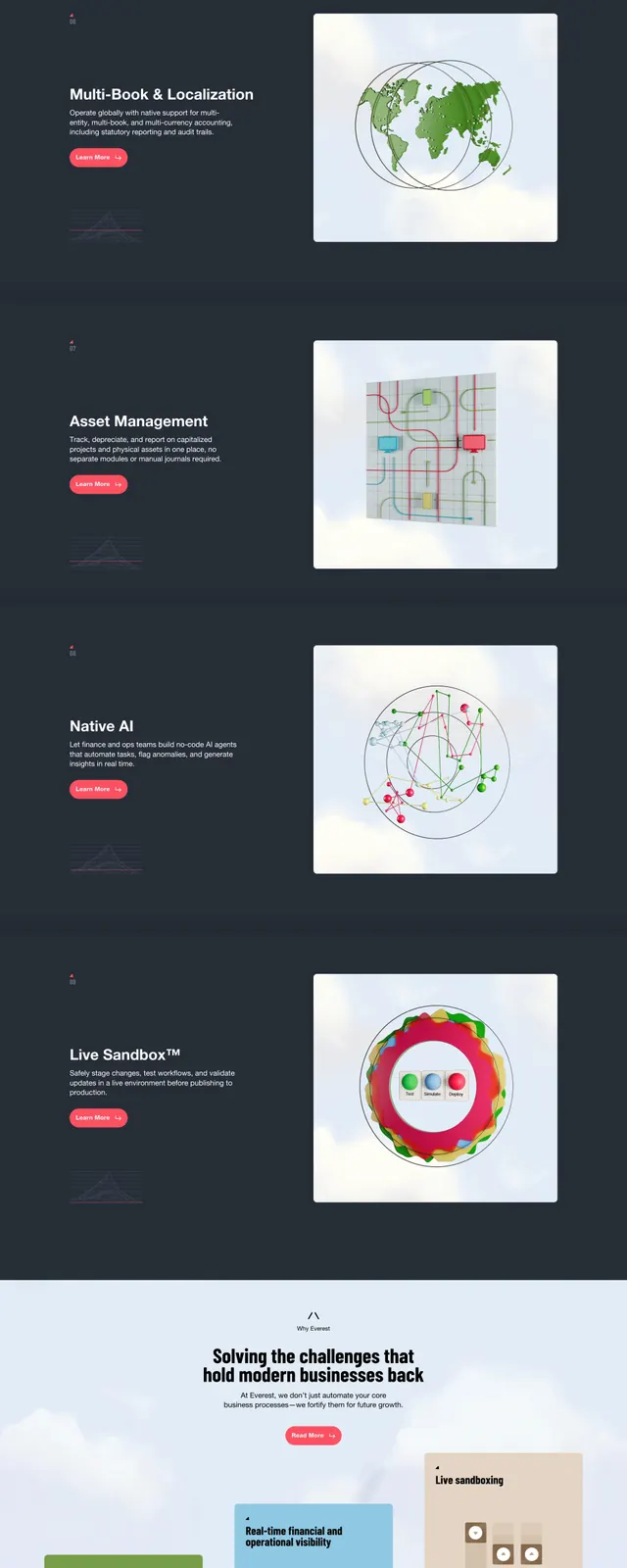 Everest AI ERP Landing Page
 Figma x LiT Workshop
 Reflektor WebAR Marketing Guide 2024
 McKinley Studios Retail Partnership Pitch Deck
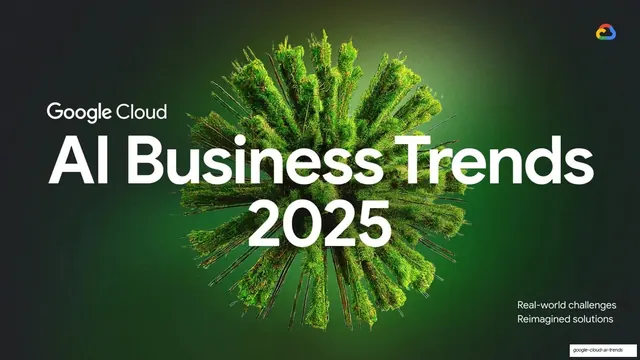 Google Cloud AI Business Trends 2025
 Mash Brand Guidelines 2023
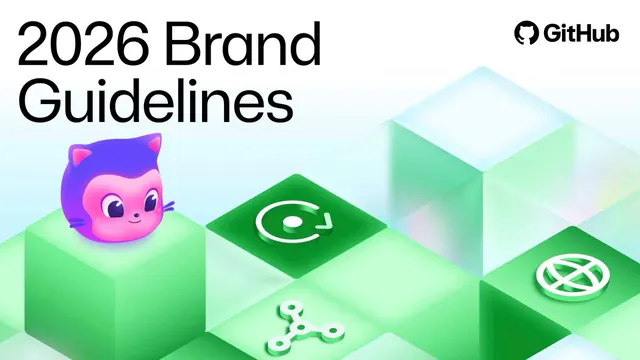 GitHub 2026 Brand Guidelines
 Block Bitcoin Knowledge and Perceptions Report
 Formula 1 Brand Guidelines 2018