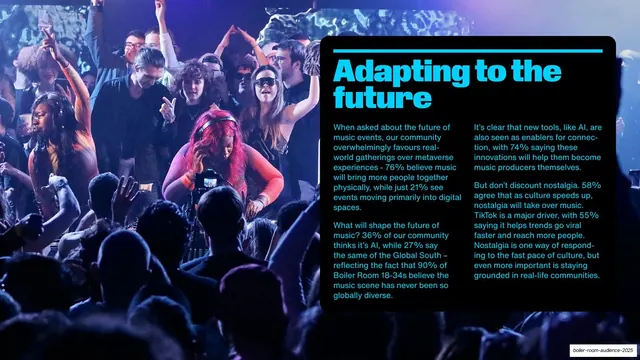
Adapting to the future panel over photo
Full-bleed crowd photo with a large black rounded panel on the right holding a cyan headline and two columns of body copy.
Summary
A finding slide where a large black rounded panel floats over a full-bleed crowd photo, holding a cyan "Adapting to the future" headline and two columns of body copy.
Visual description
A blue-lit photo of a packed, hands-up crowd fills the frame. A large black rounded-rectangle panel covers the right two-thirds, carrying a cyan condensed headline "Adapting to the future" over two justified columns of white body copy about the future of music events, AI, and nostalgia. There are no stat cards here, just headline and copy, with the photo left exposed on the left third.
Key takeaway
The dark-panel-over-photo variant: where the magenta slide earlier used a colored panel, this uses a black panel with a cyan headline, keeping copy legible while letting the accent appear only in the title. It is a quieter way to overlay text on a busy image.
Reuse notes
Reach for this when a finding is text-only (no stats) but you still want a full-bleed image. The black panel reads calmer than a colored one over energetic photography. Keep the panel opaque.
More like this
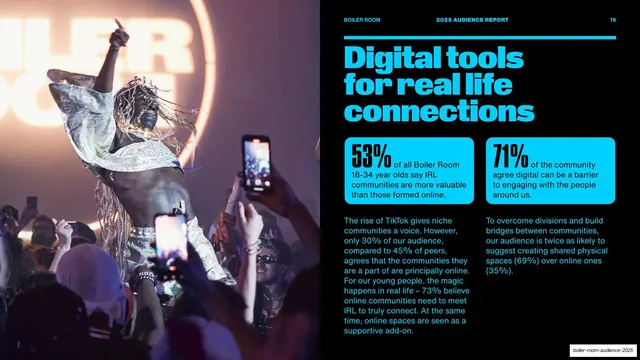 Digital tools for real life connections
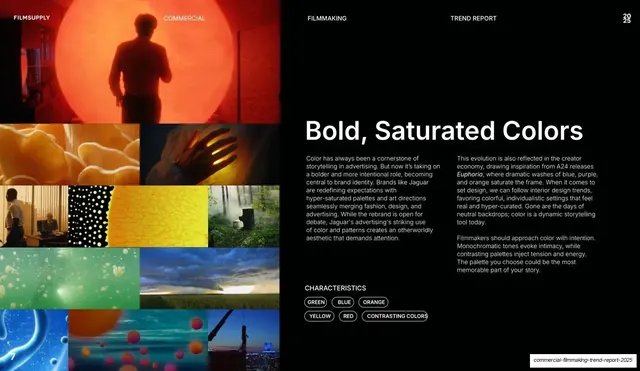 Bold, Saturated Colors trend
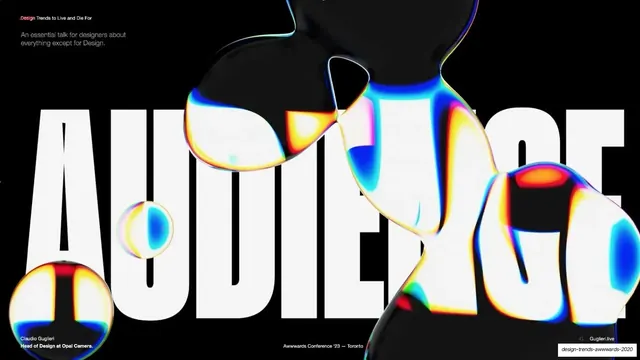 AUDIENCE chrome-bubble section
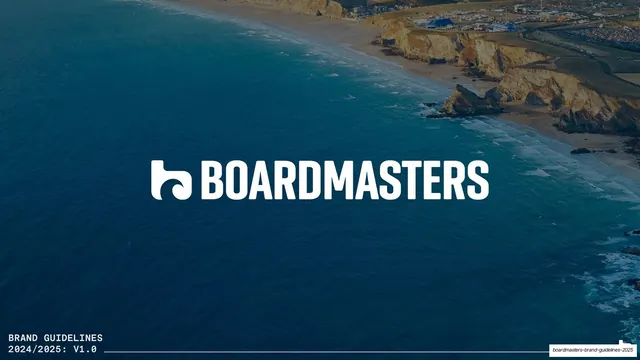 Boardmasters Brand Guidelines 2024/2025
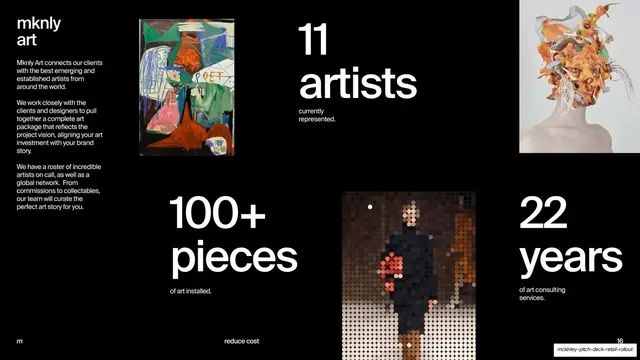 mknly art intro and stat grid
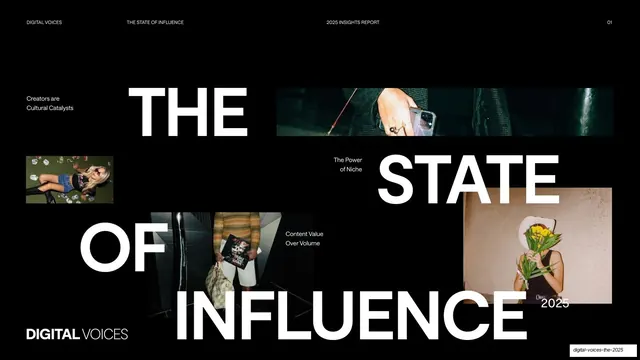 Digital Voices: The State of Influence 2025
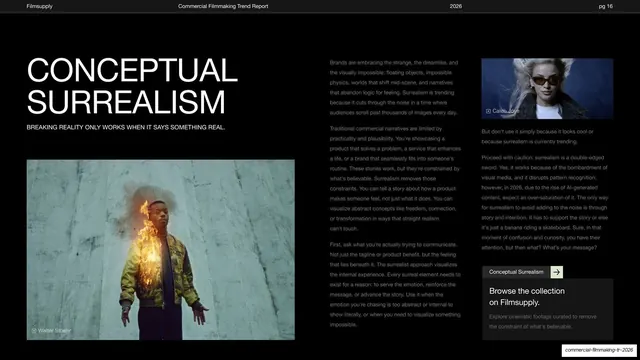 Conceptual Surrealism
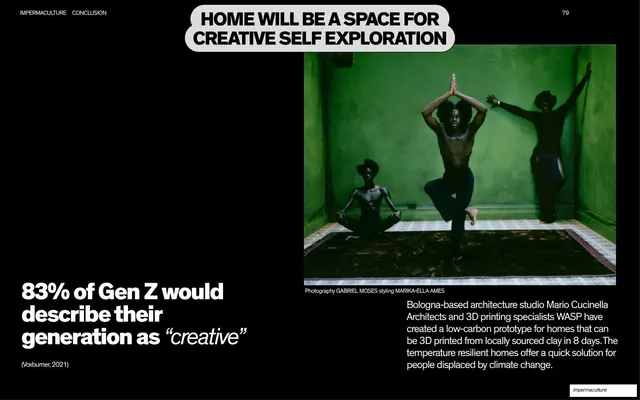 Home as a space for creative self-exploration finding
 Mash Brand Guidelines 2023
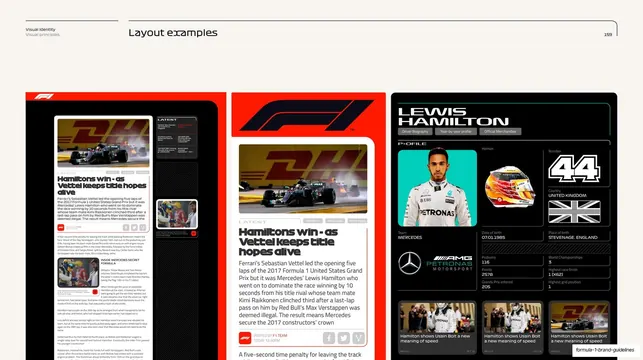 Layout examples applied templates
 Matter Insurance Brand Guidelines 2023
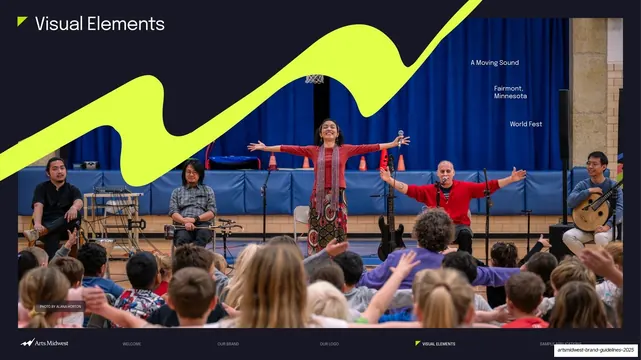 Visual Elements section opener over performance photo
 On Impact Progress Report 2024
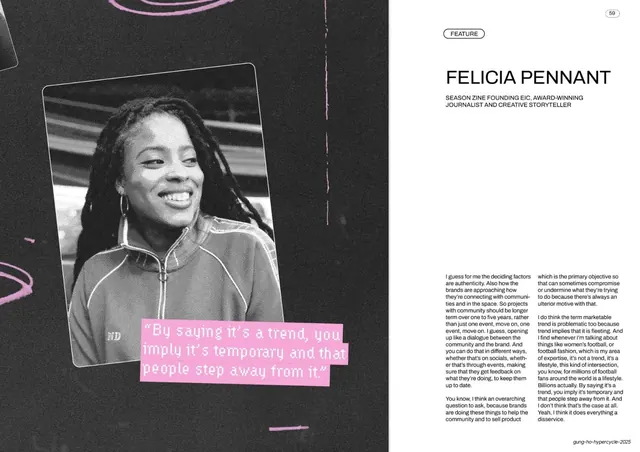 Felicia Pennant feature interview
 Series B Pitch Deck Template
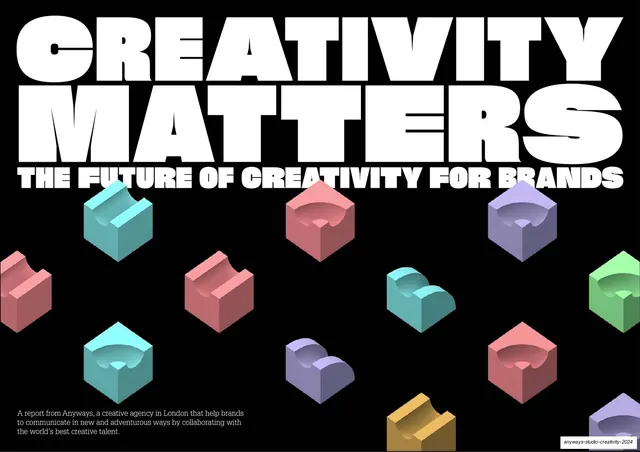 Anyways Creativity Matters 2024
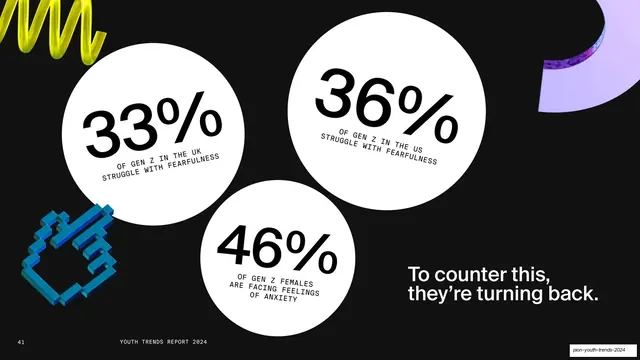 Gen Z fear and anxiety statistics
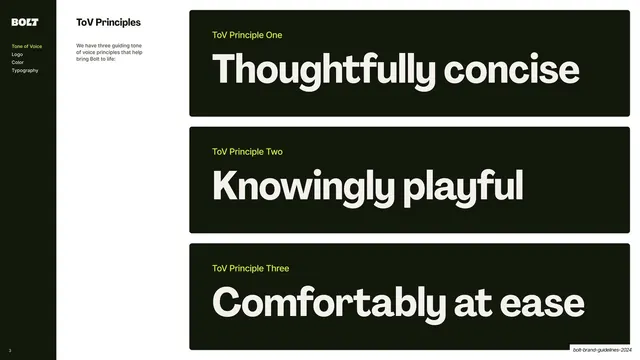 Three tone of voice principles
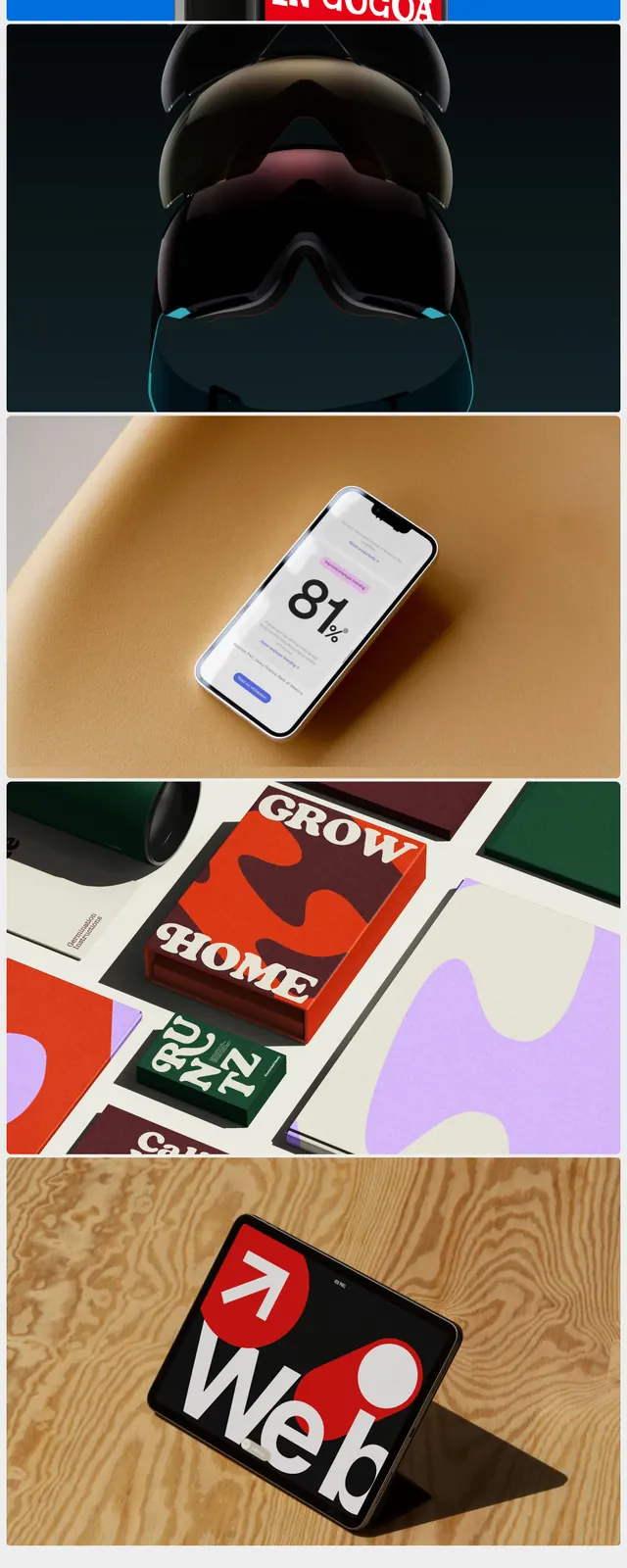 Analogue Agency Portfolio
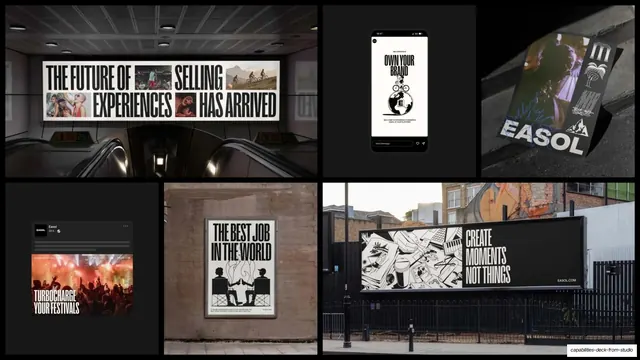 Easol out-of-home and social campaign
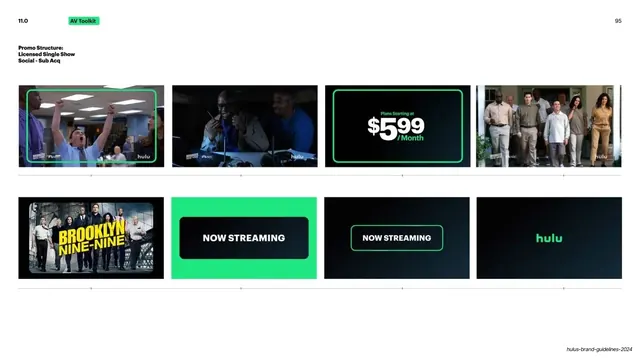 Promo Structure, Licensed Single Show
 Mash Brand Guidelines 2023
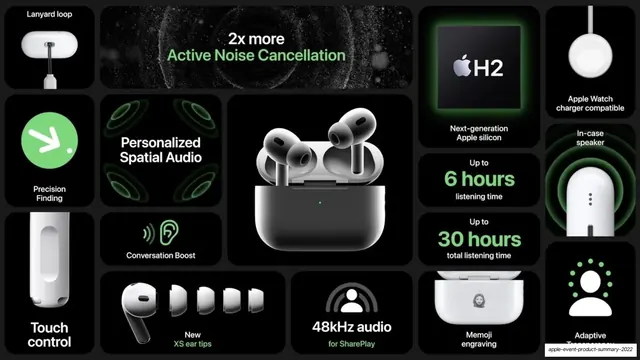 Apple Event Product Summary 2022
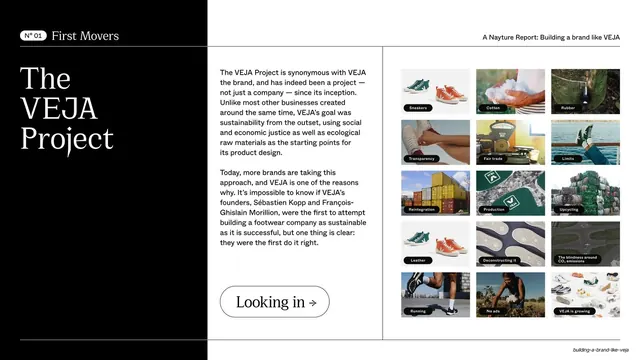 First Movers The VEJA Project overview