Overlens motion system and visual language
Motion system design for Overlens platform-ecosystem, developed by LOCATELLI/STUDIO, showcasing dynamic textures, animated patterns, and behavioral animations across 5 carousel slides with code, design thinking explorations, and asset studies.
Summary
A motion system design for Overlens, a platform-ecosystem brand, developed by a Portuguese design studio and presented across 5 slides combining code documentation, design process explorations, and visual asset studies showing how animated textures and behavioral patterns form a unified language.
Visual description
Slide 1 shows the Overlens wordmark on black. Subsequent slides reveal a design process collage mixing technical and creative elements: framed callouts with Portuguese text reading "Descobra o Poder da Criacao" (Discover the Power of Creation), scattered design exploration cards showing colorful geometric shapes (teal, orange, yellow), diagrams labeled "Design Thinking" with flowing lines, a fingerprint illustration, references to "Symbolic Idea," and wave pattern visualizations. Code snippets appear in the background (Python/HTML syntax visible). One card depicts a globe labeled "Projetos Internacionais" (International Projects). The color range is deliberately diverse to show the system's flexibility: teal, orange, yellow, blue, cream, and red tones. Animated particles and flowing lines suggest the motion behaviors being documented. All text at small scale describes methodologies and principles rather than literal instructions.
Key takeaway
A motion system works best when documented as a living design principle (showing behaviors and textures) rather than as static keyframes. Mixing code documentation with visual design language legitimizes motion as a technical system. Using a spectrum of colors and patterns encourages the platform to feel like an evolving ecosystem rather than a static brand.
Reuse notes
Strong reference for B2B platforms or SaaS products wanting motion to communicate dynamism and growth. The approach of deriving motion rules from conceptual frameworks (nexialism, ecosystem thinking) makes them defensible and flexible. Best suited for products that need to adapt across many feature areas. Requires animation engineering skill to implement pattern systems at scale.
More like this
 Overlens motion system and visual language (slide 1)
 Phoenix Central Park sound visualization carousel (slide 1)
 Graindients abstract motion design carousel (slide 8)
 Cinema 4D generative 3D form experiments (slide 1)
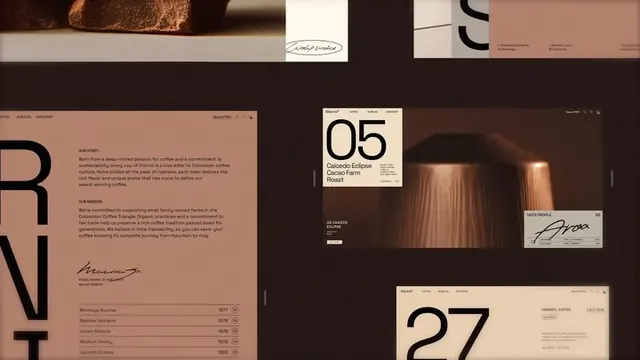 Daniel Muallem WIX motion studio showreel
 Clipsed perceptual art animation (slide 1)
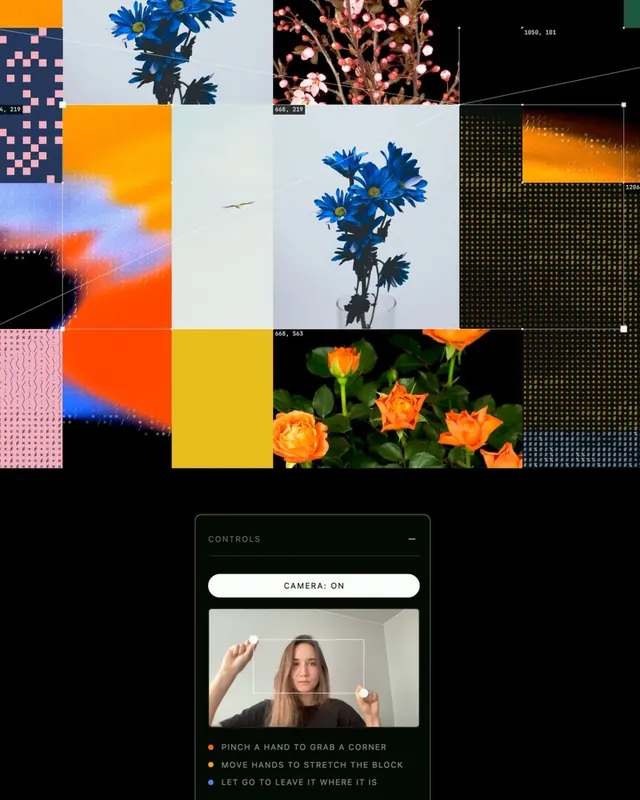 Interactive collage with camera-tracking gesture interface (slide 6)
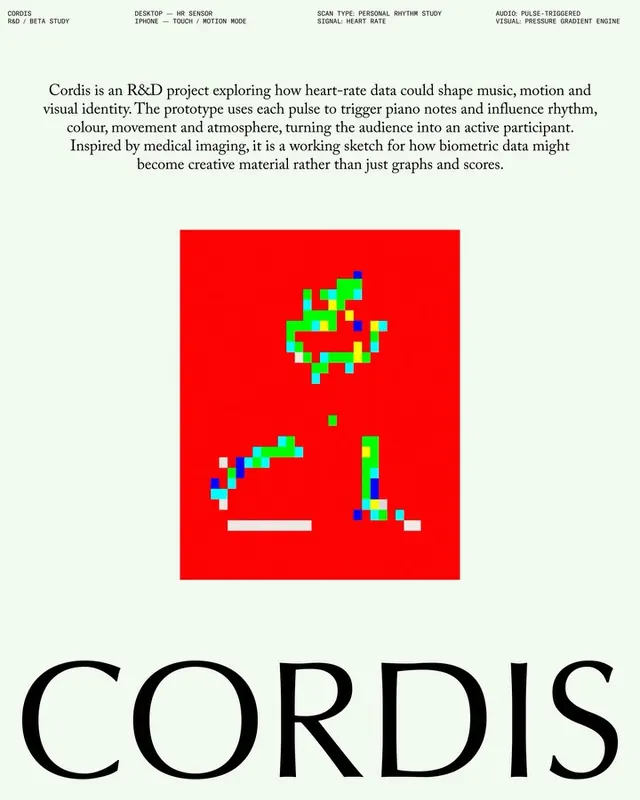 Cordis biometric music and motion visual identity (slide 9)
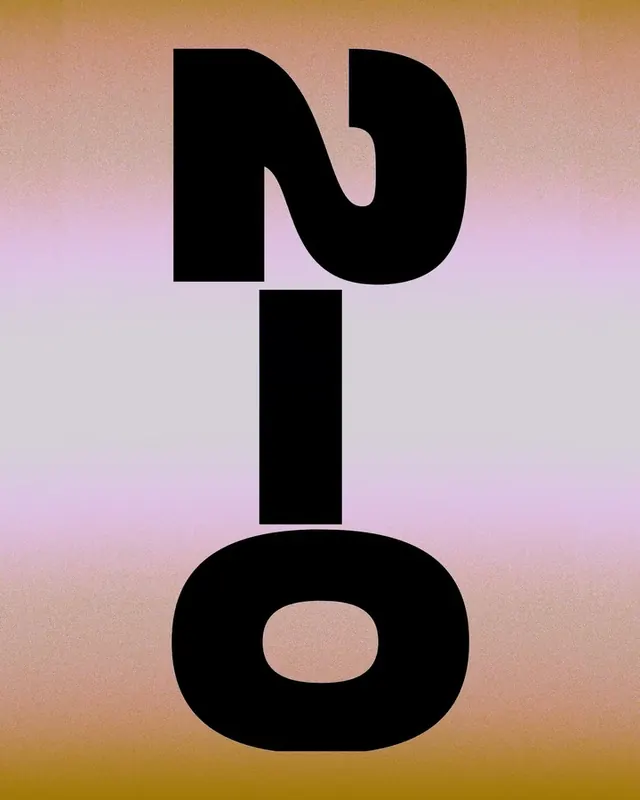 Stacked letterforms and Goal motion test (slide 1)
 Beya product animation series with kinetic typography (slide 1)
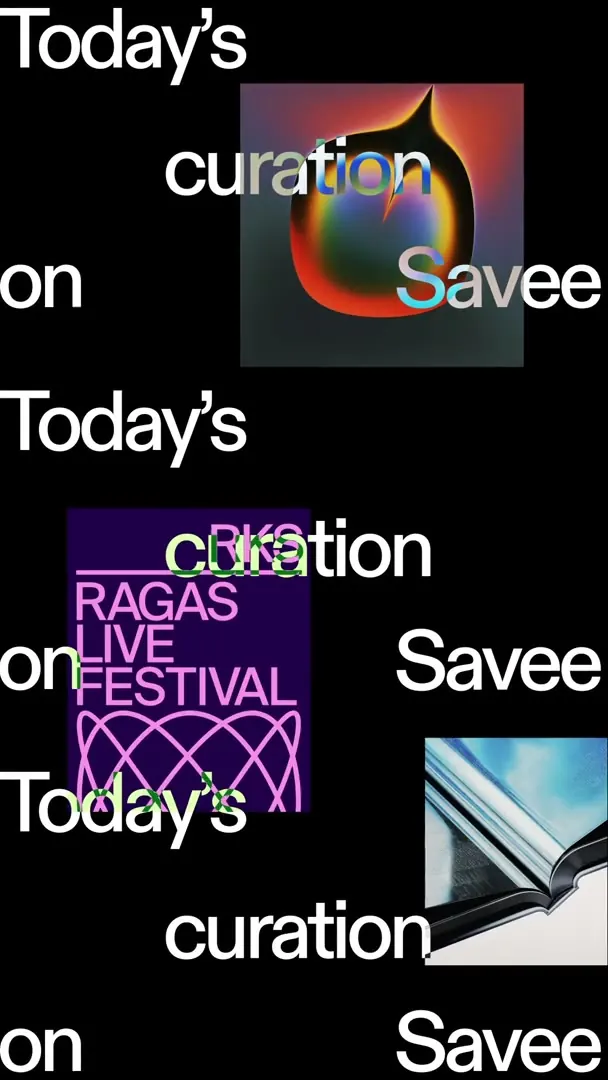 Stacked design showcase with abstract, festival poster, and product mockup
 Typography wave form visualization
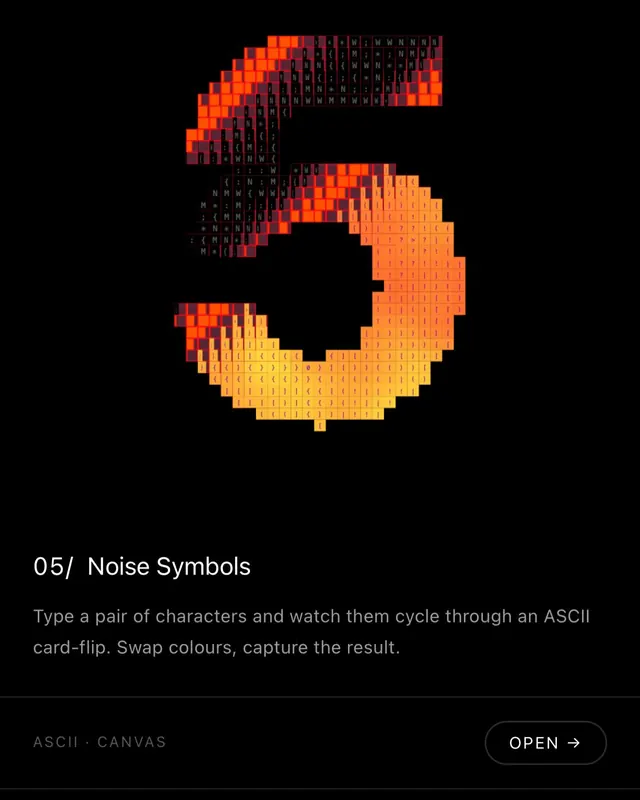 ASCII card-flip animation playground (slide 8)
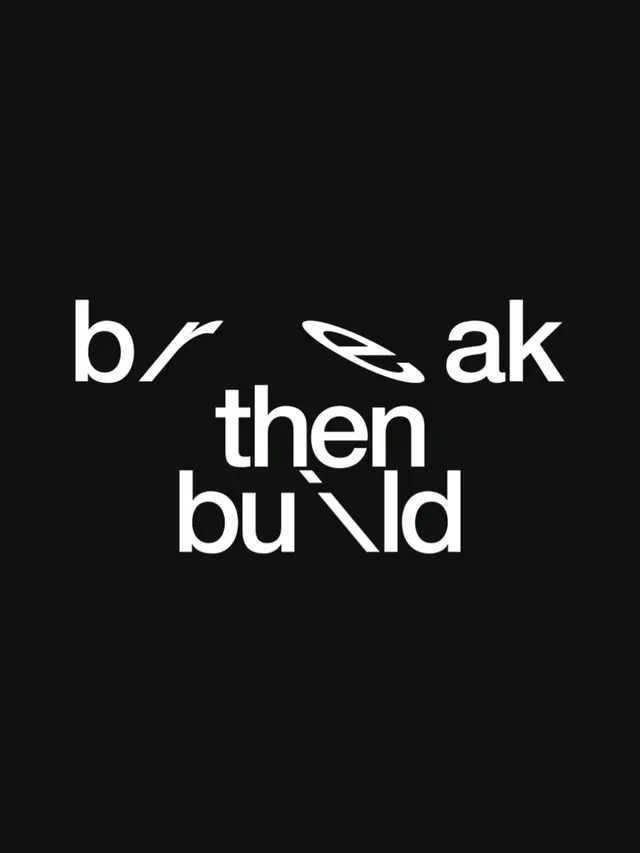 Kinetic type experiments with skew distortion (slide 1)
 Renault Twingo product and visual exploration campaign (slide 6)
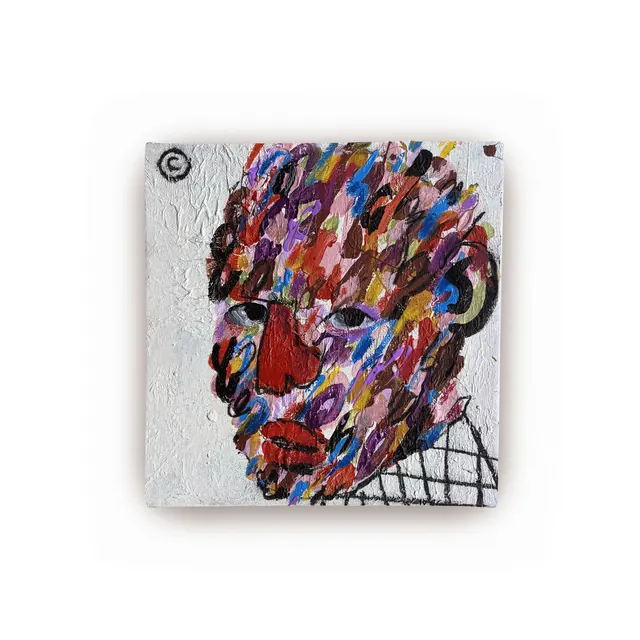 Large-format expressive figurative paintings (slide 10)
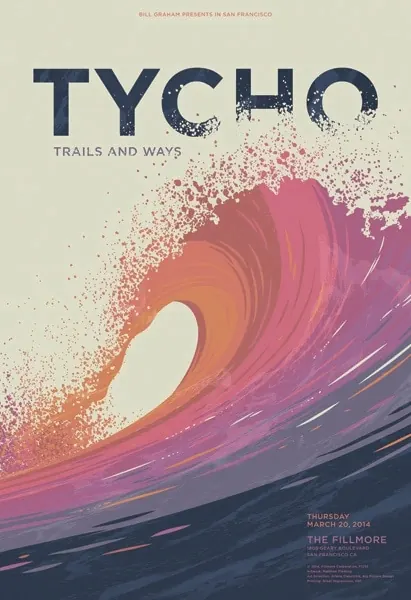 Tycho poster with particle wave
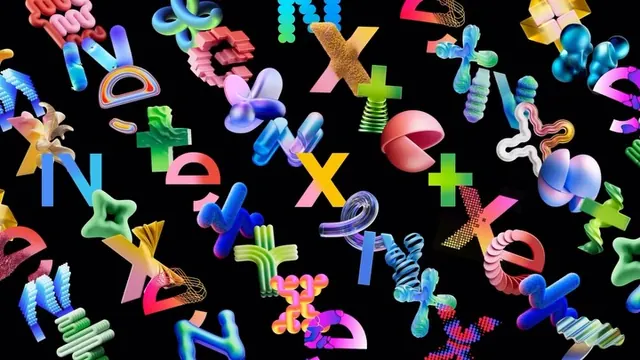 Google Next 2026 animated typography field
 Raycash fintech brand identity and motion design (slide 9)
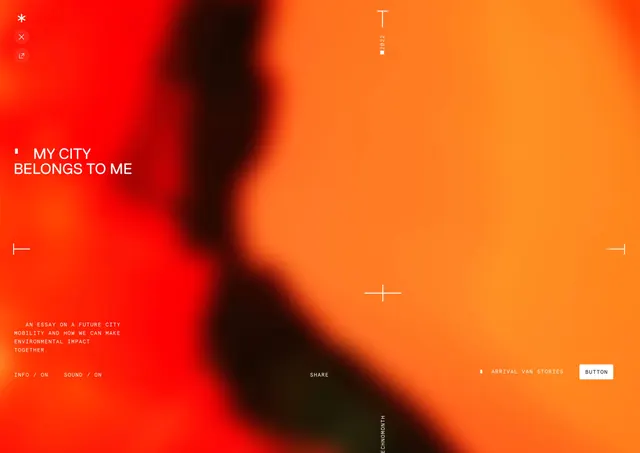 My City Belongs To Me Design Reference
 Green and red corrugated abstract
 Tulip frame with binary overlay and GPT 5.6 label
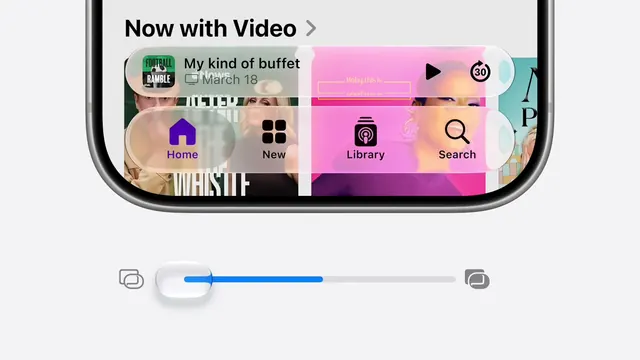 Mobile interface with video content and gradient navigation
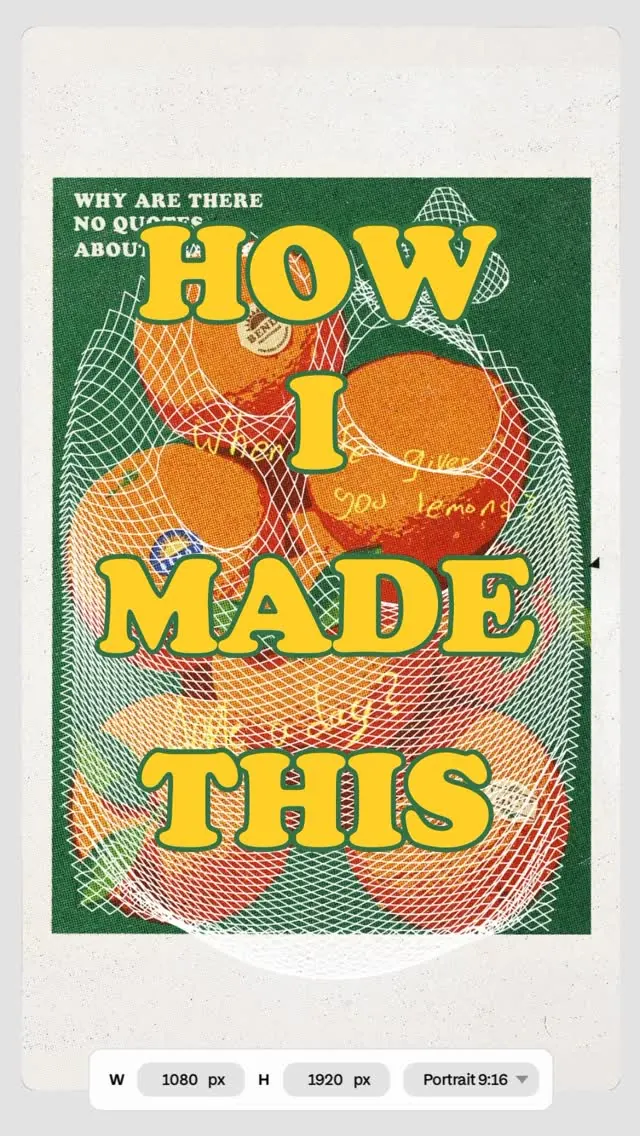 Animated net generation motion tutorial